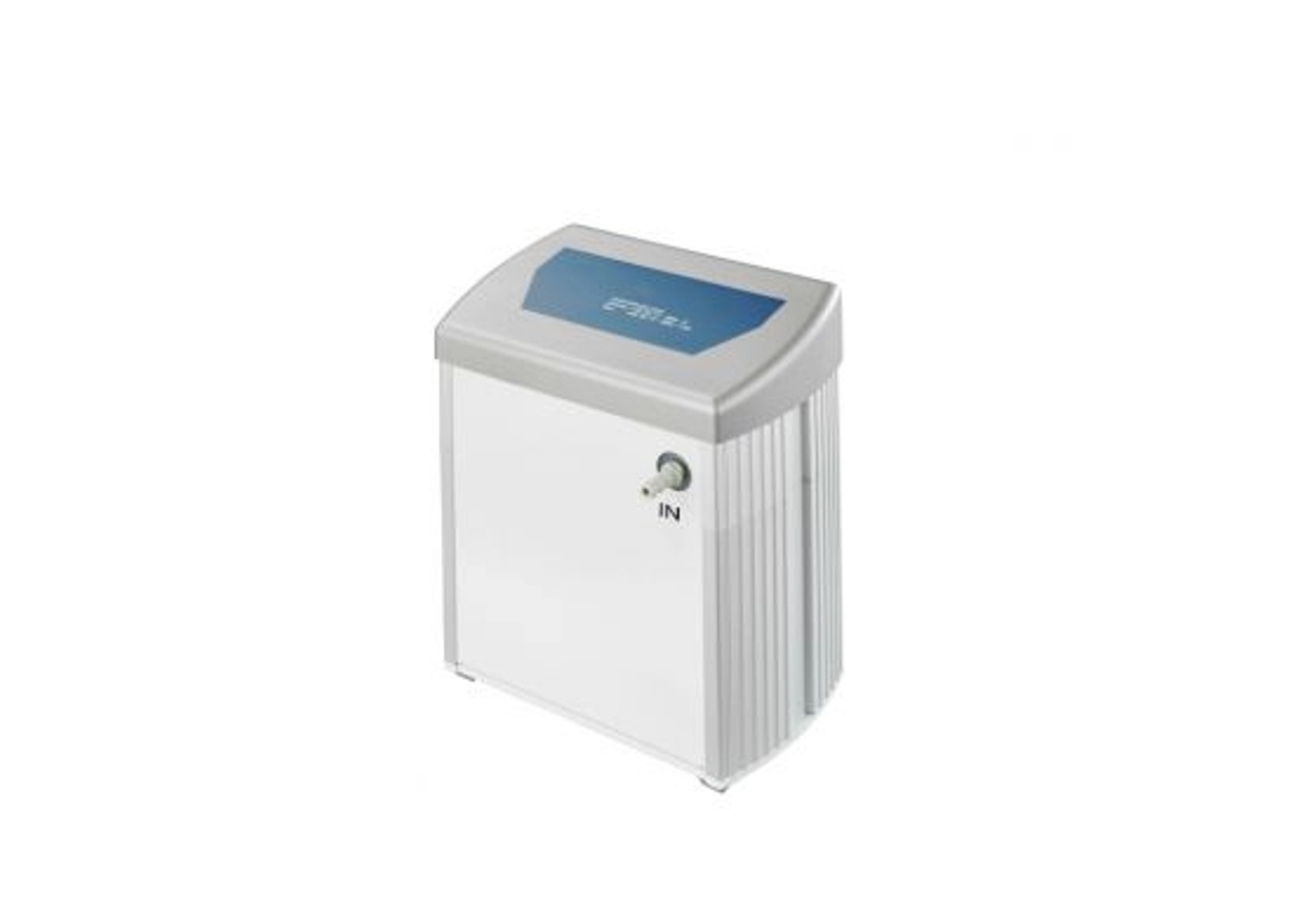
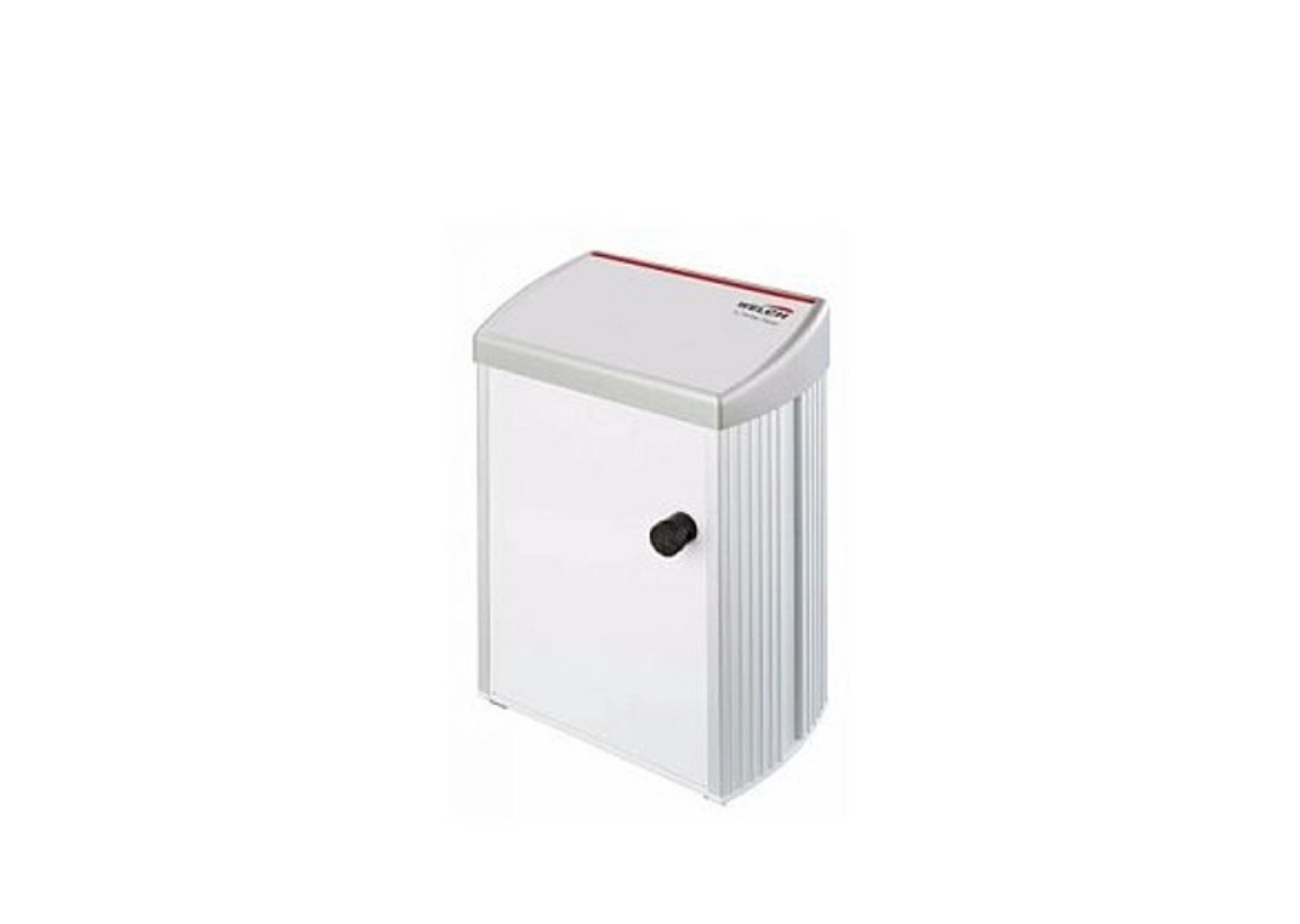
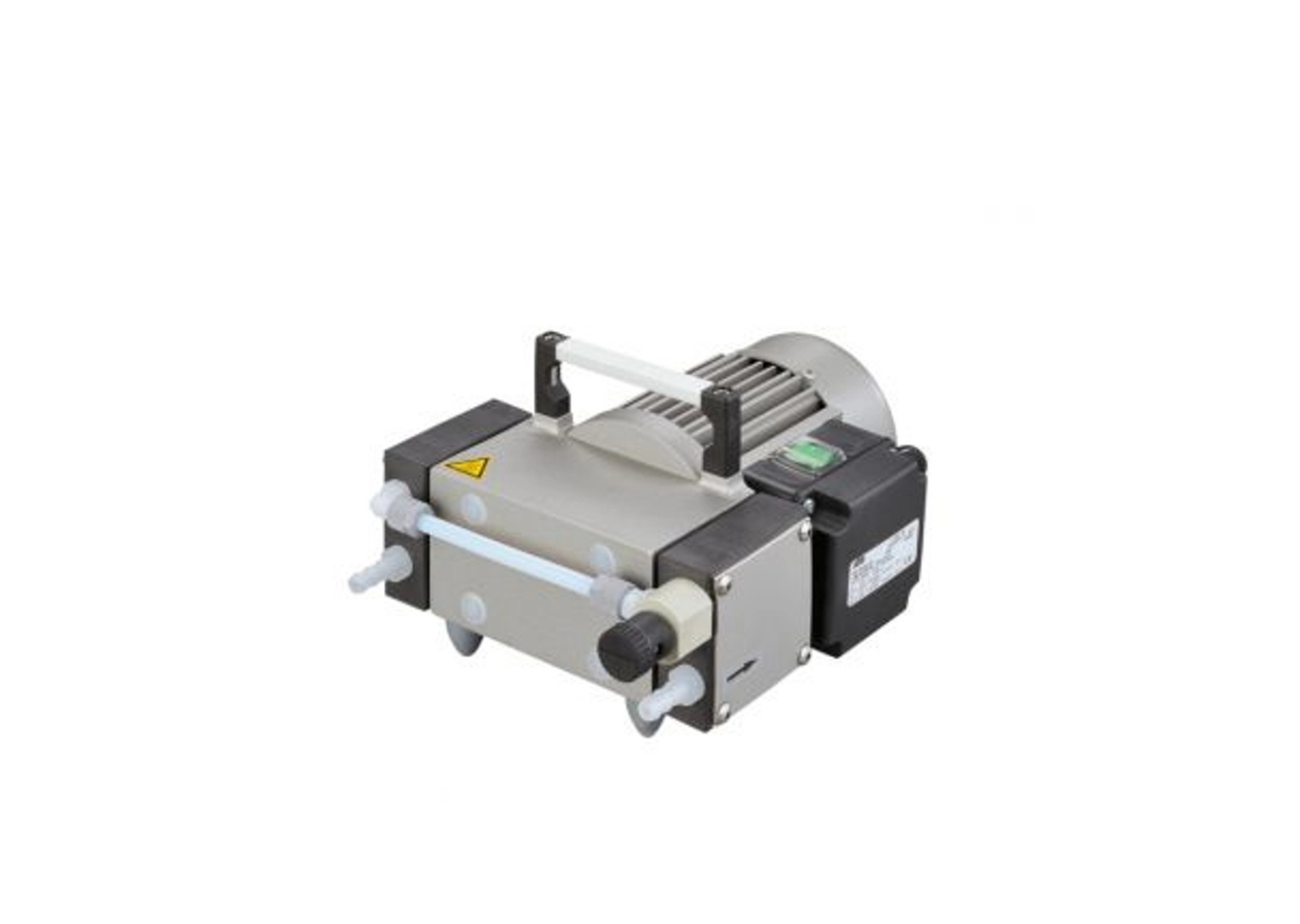
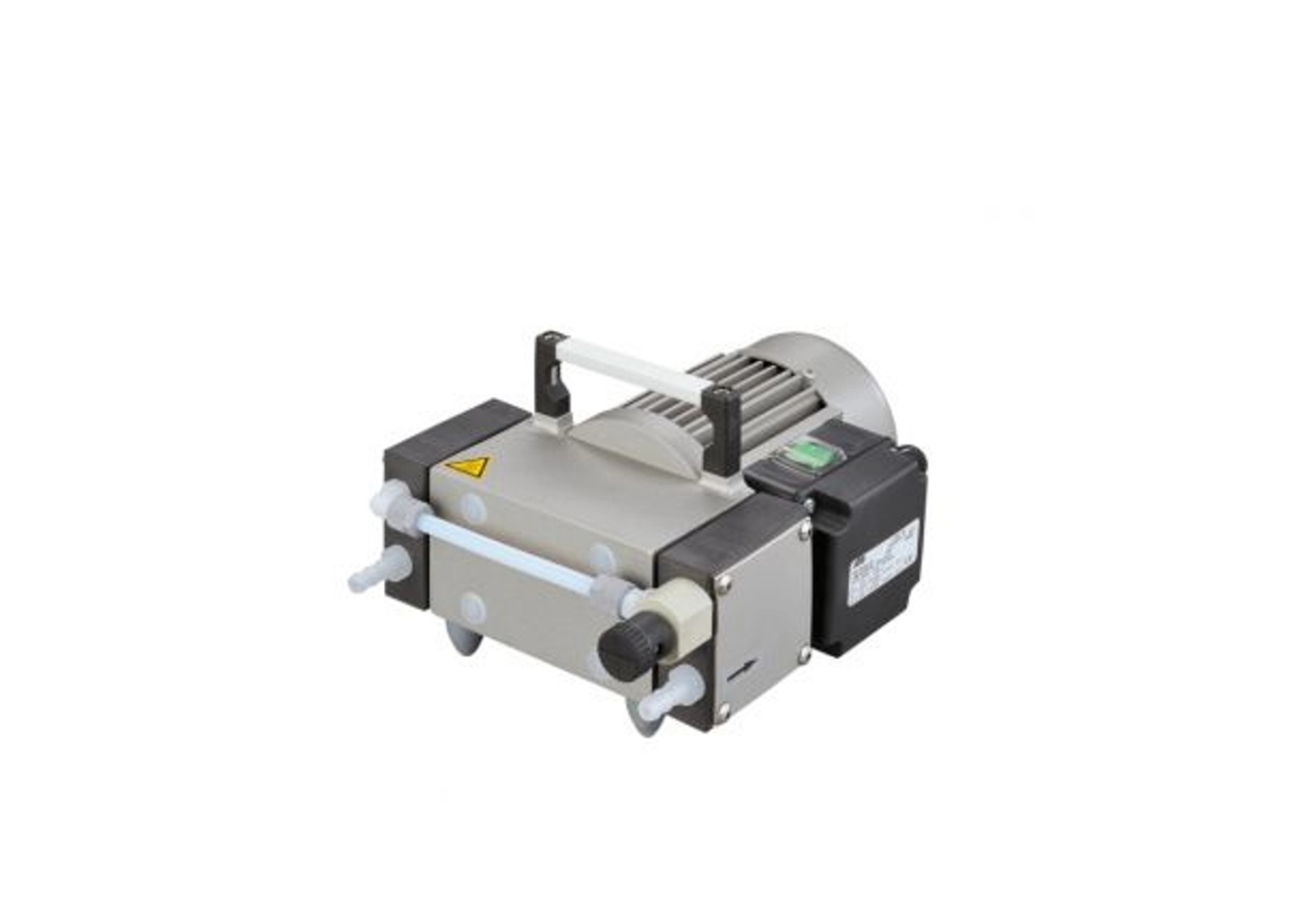
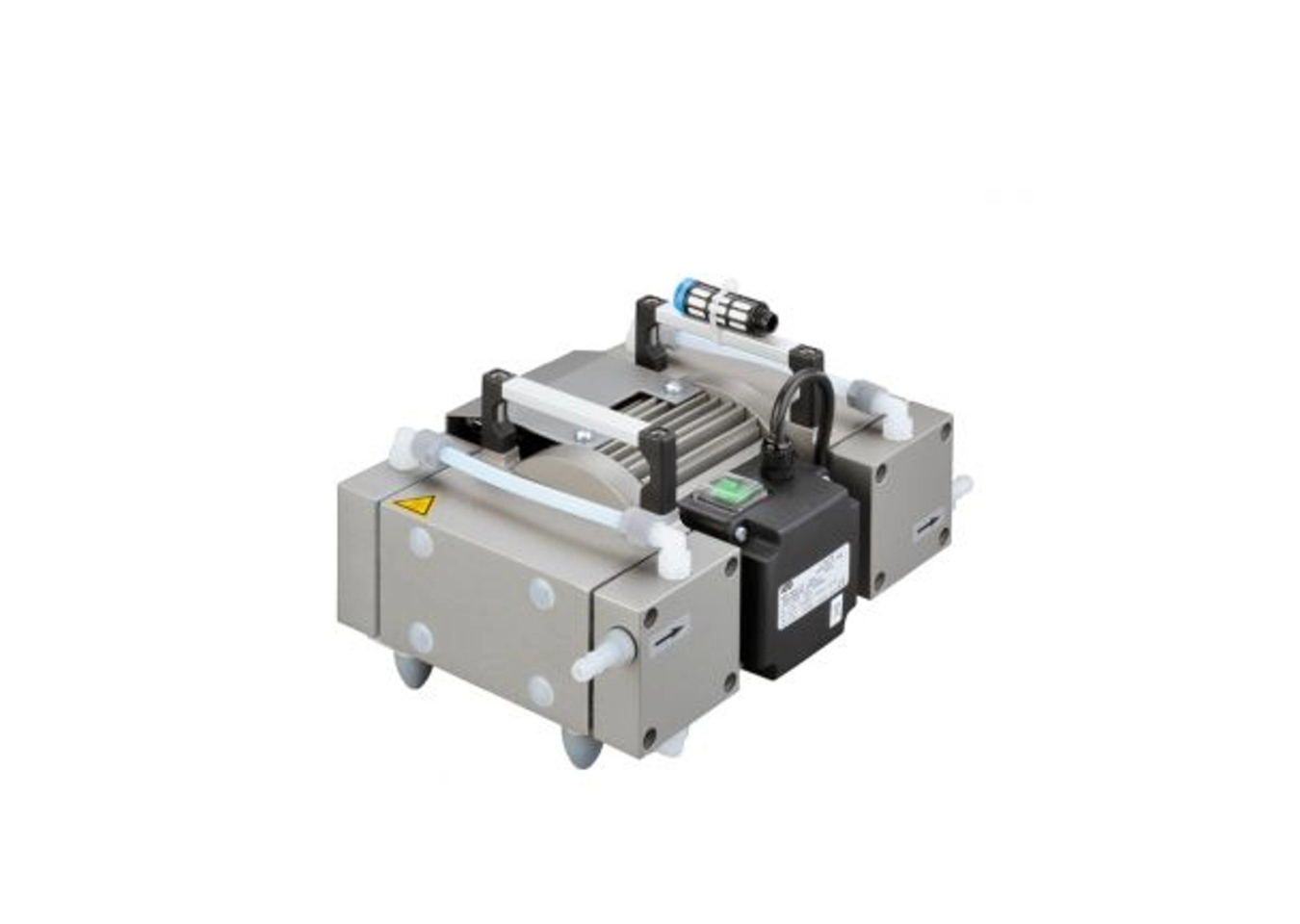
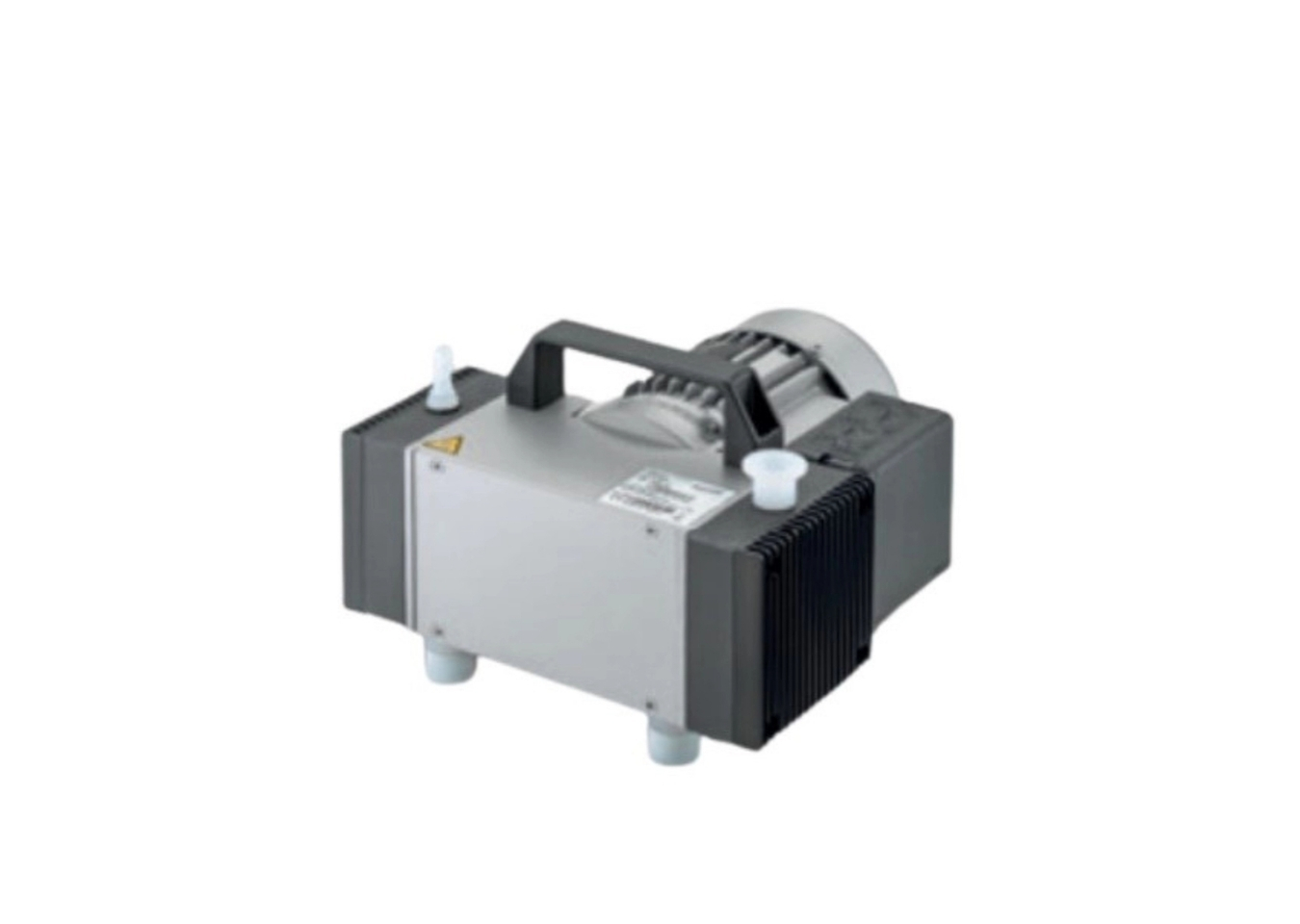
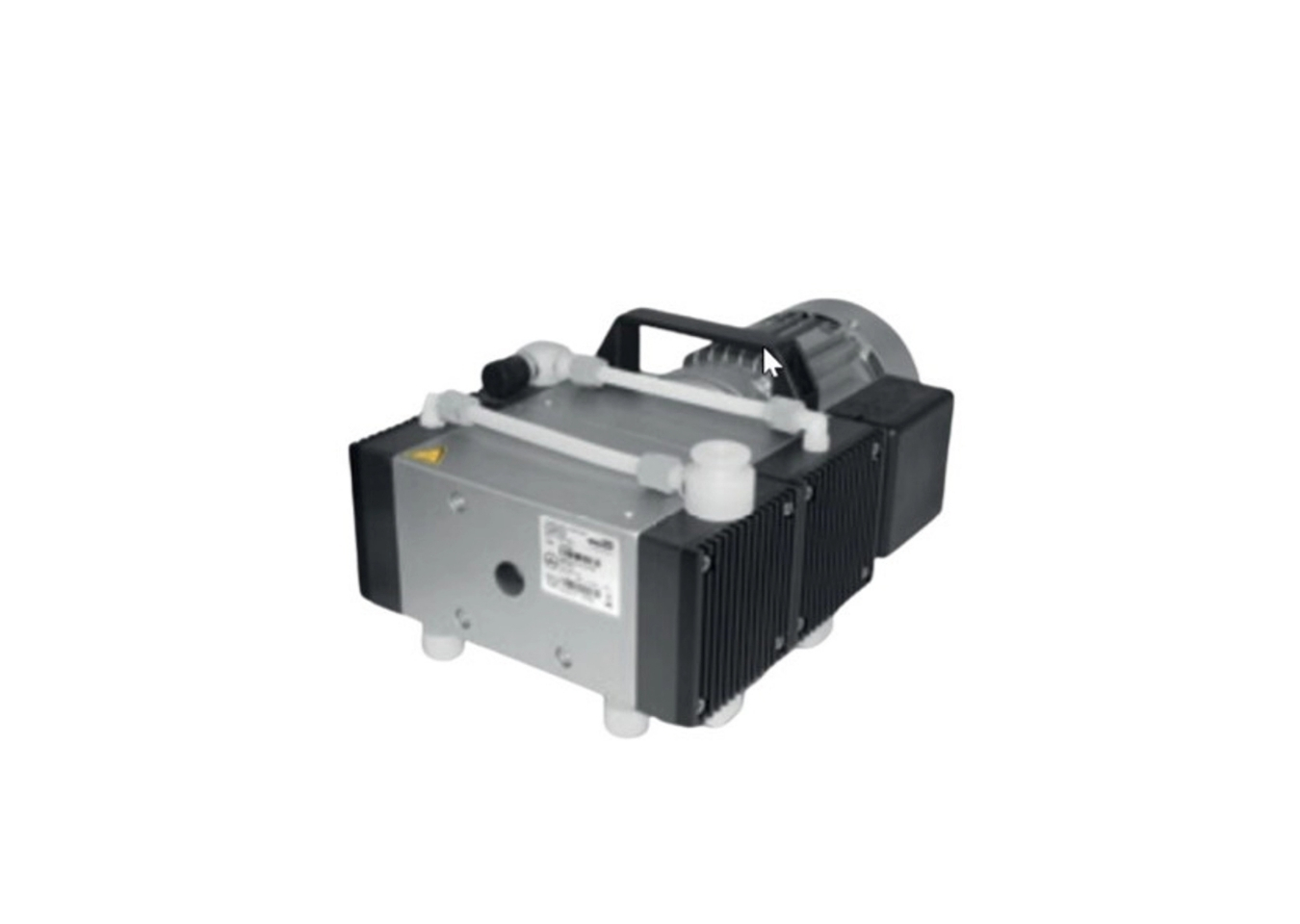
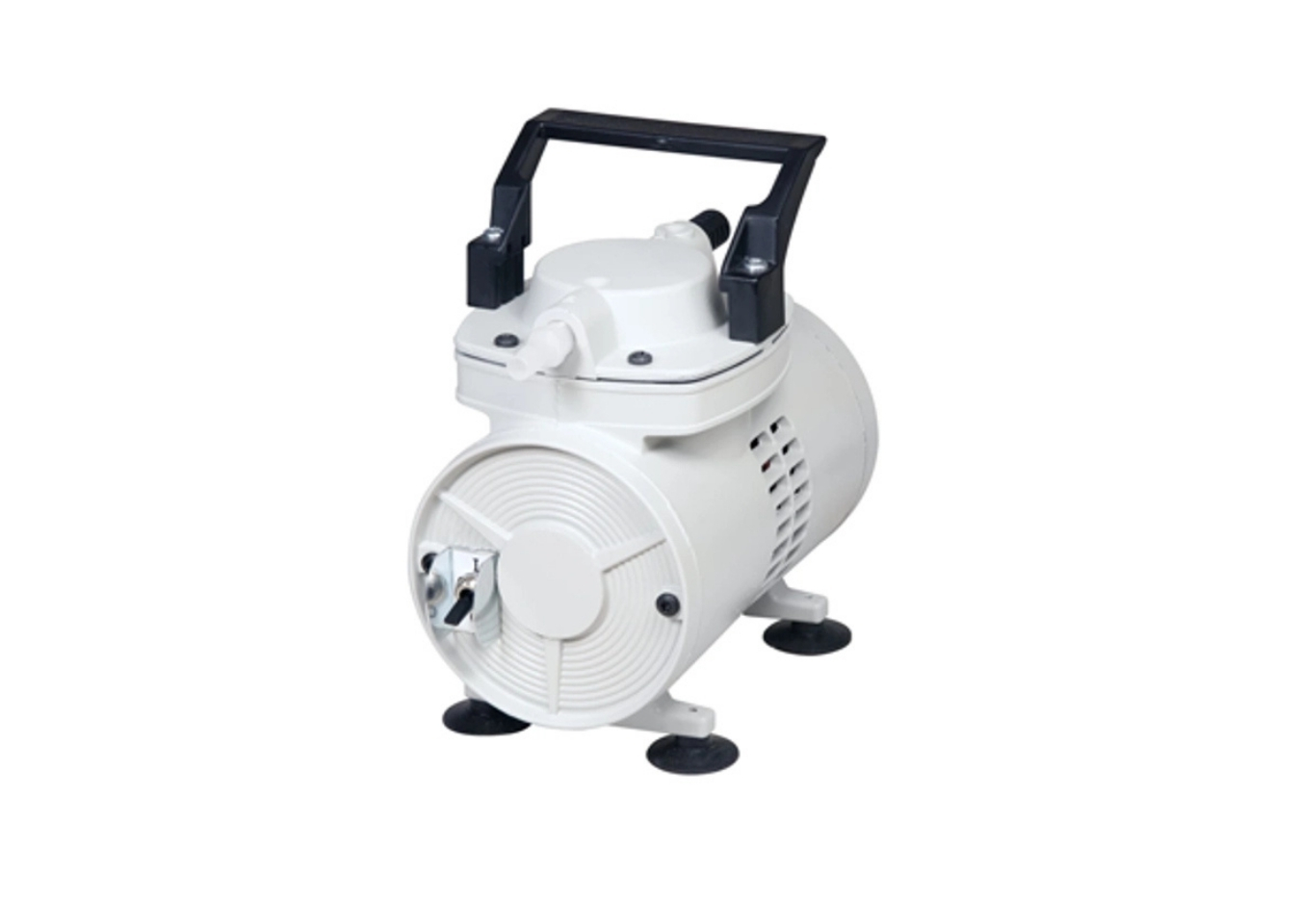
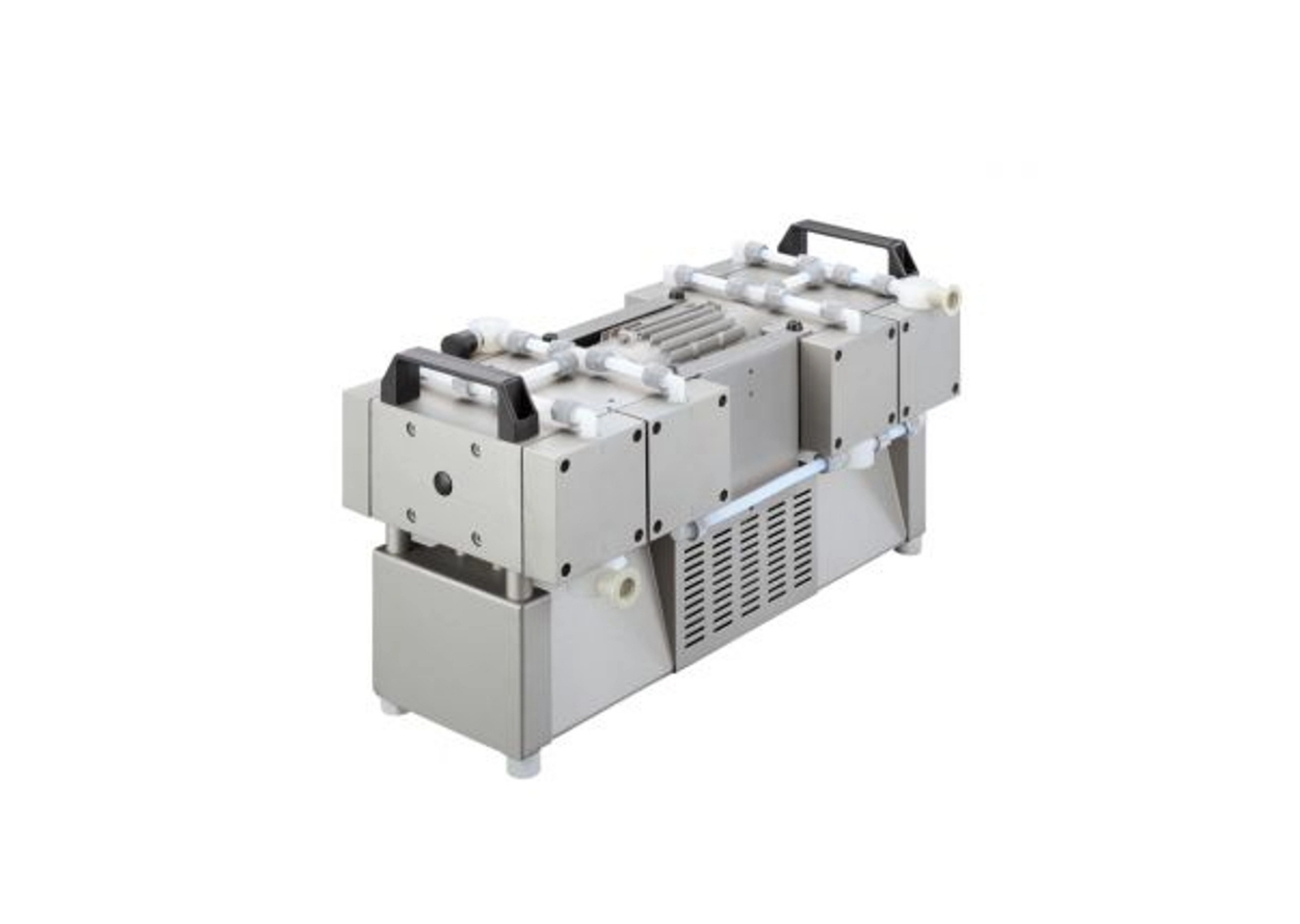
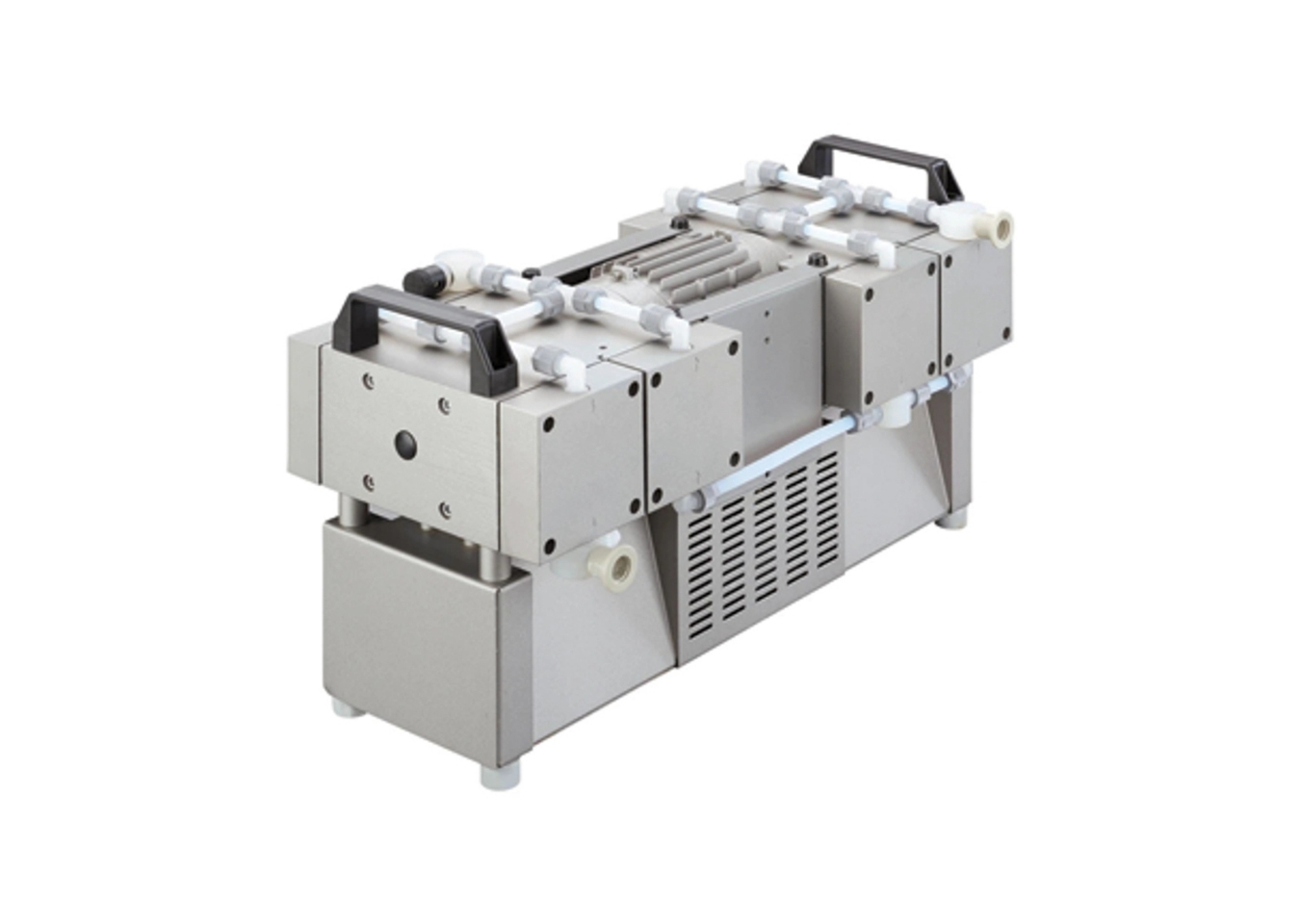
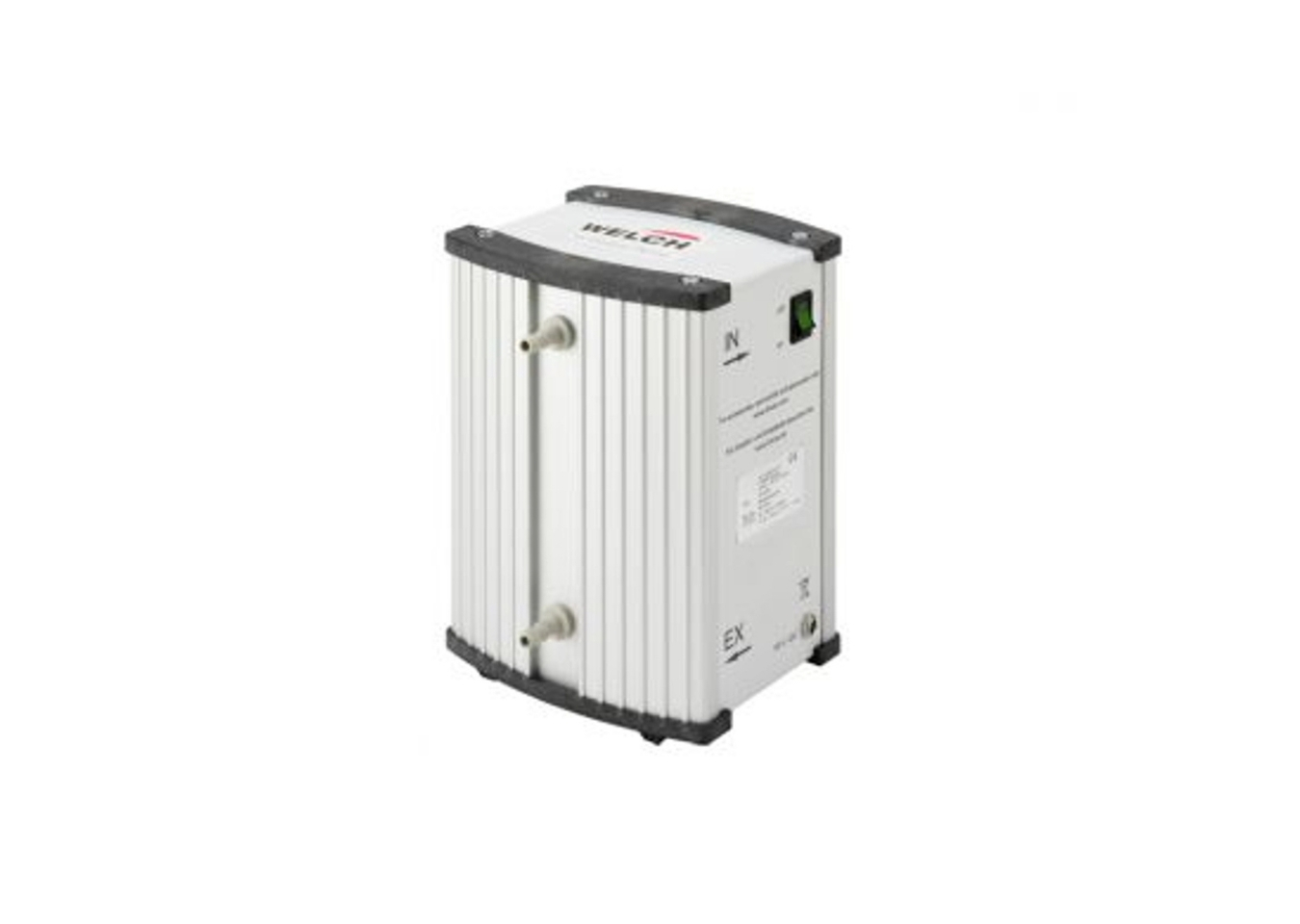
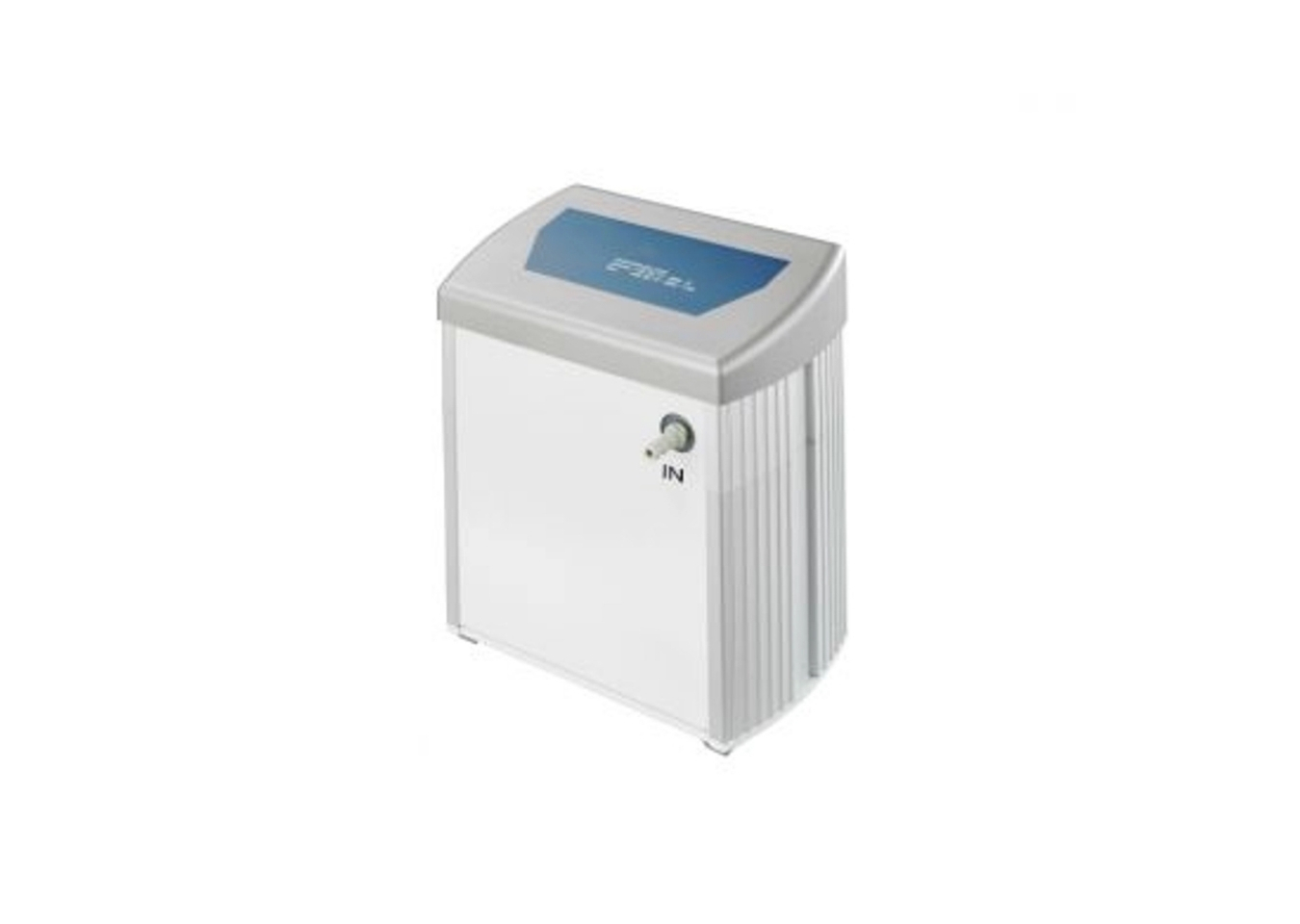
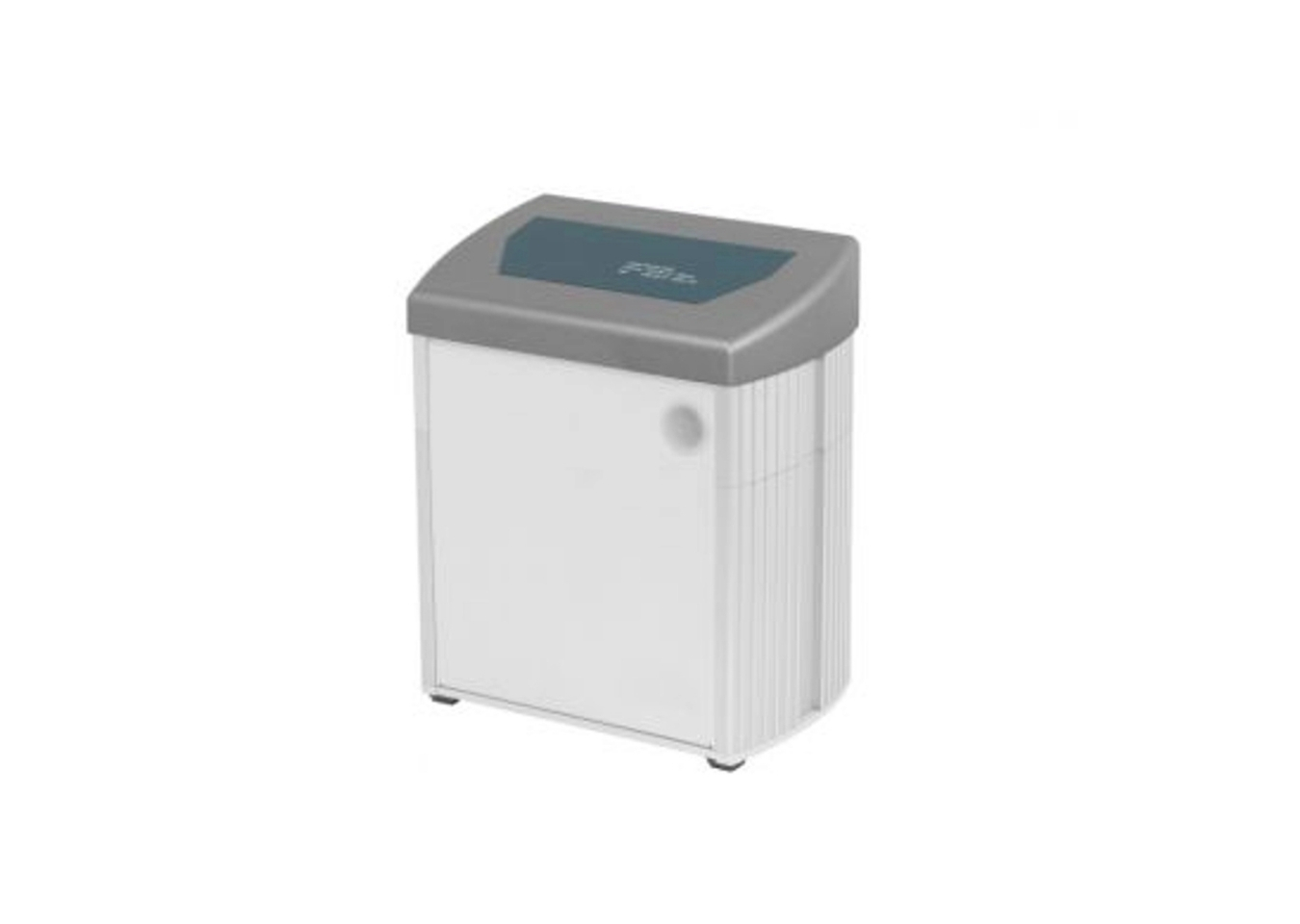
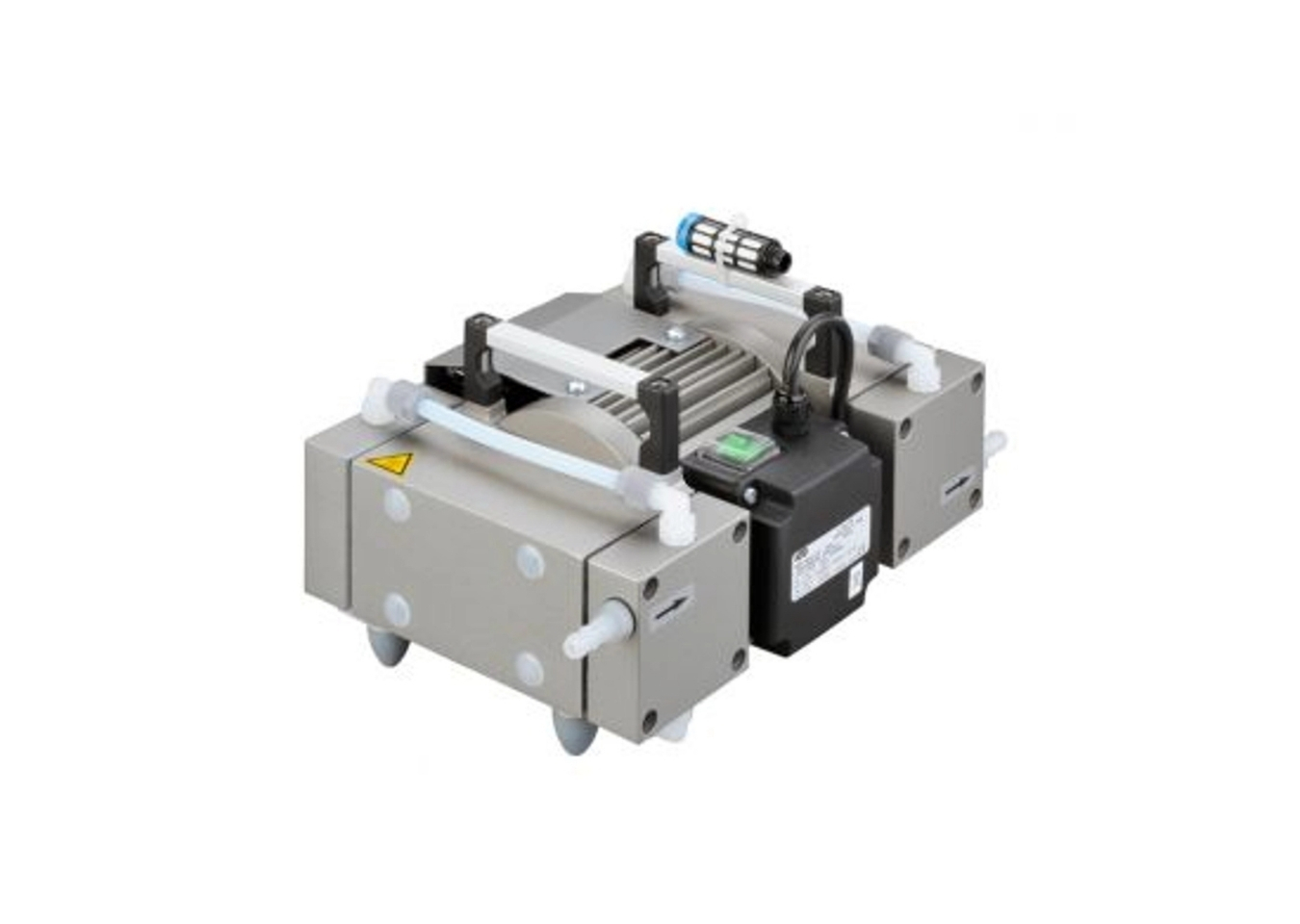
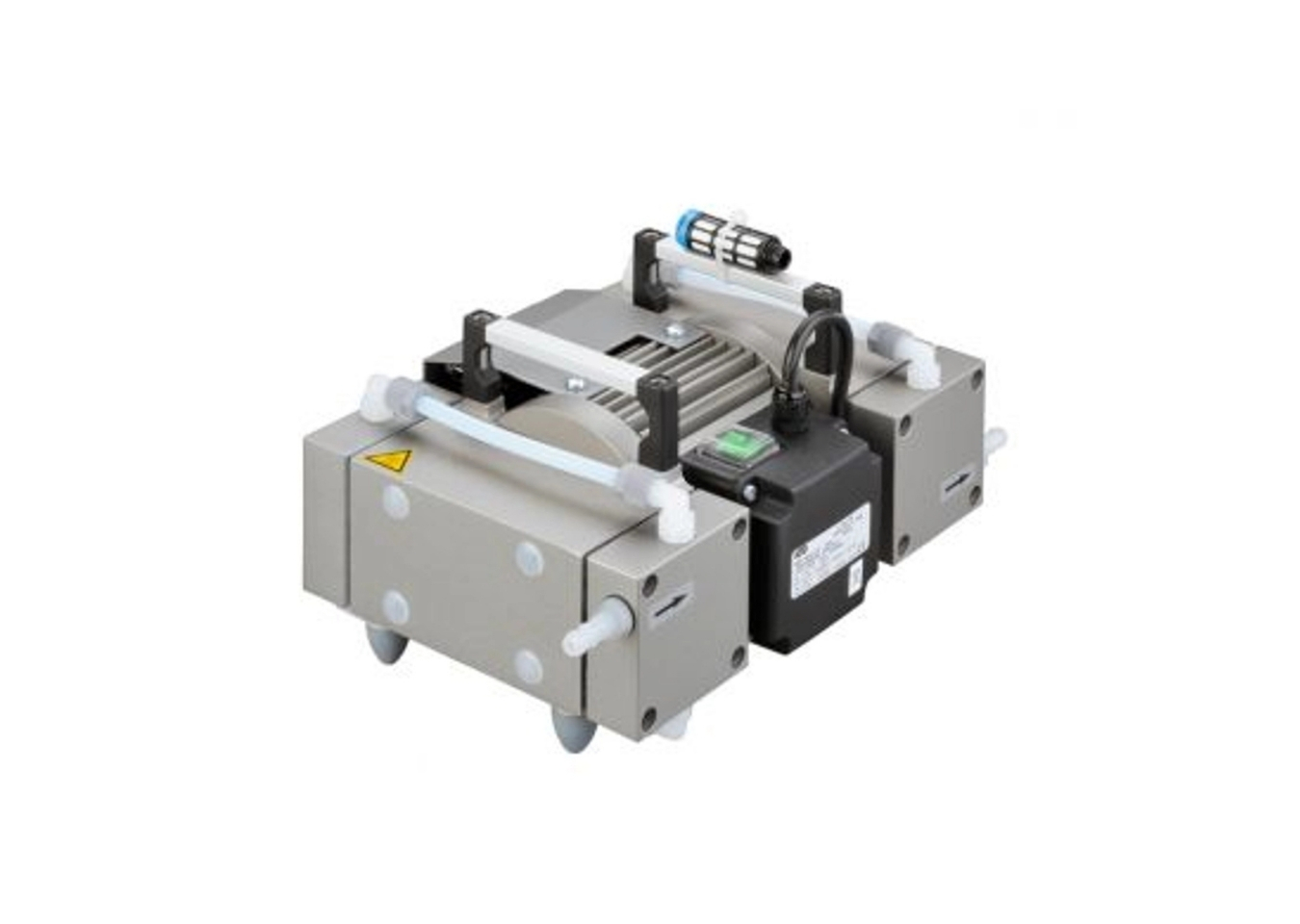
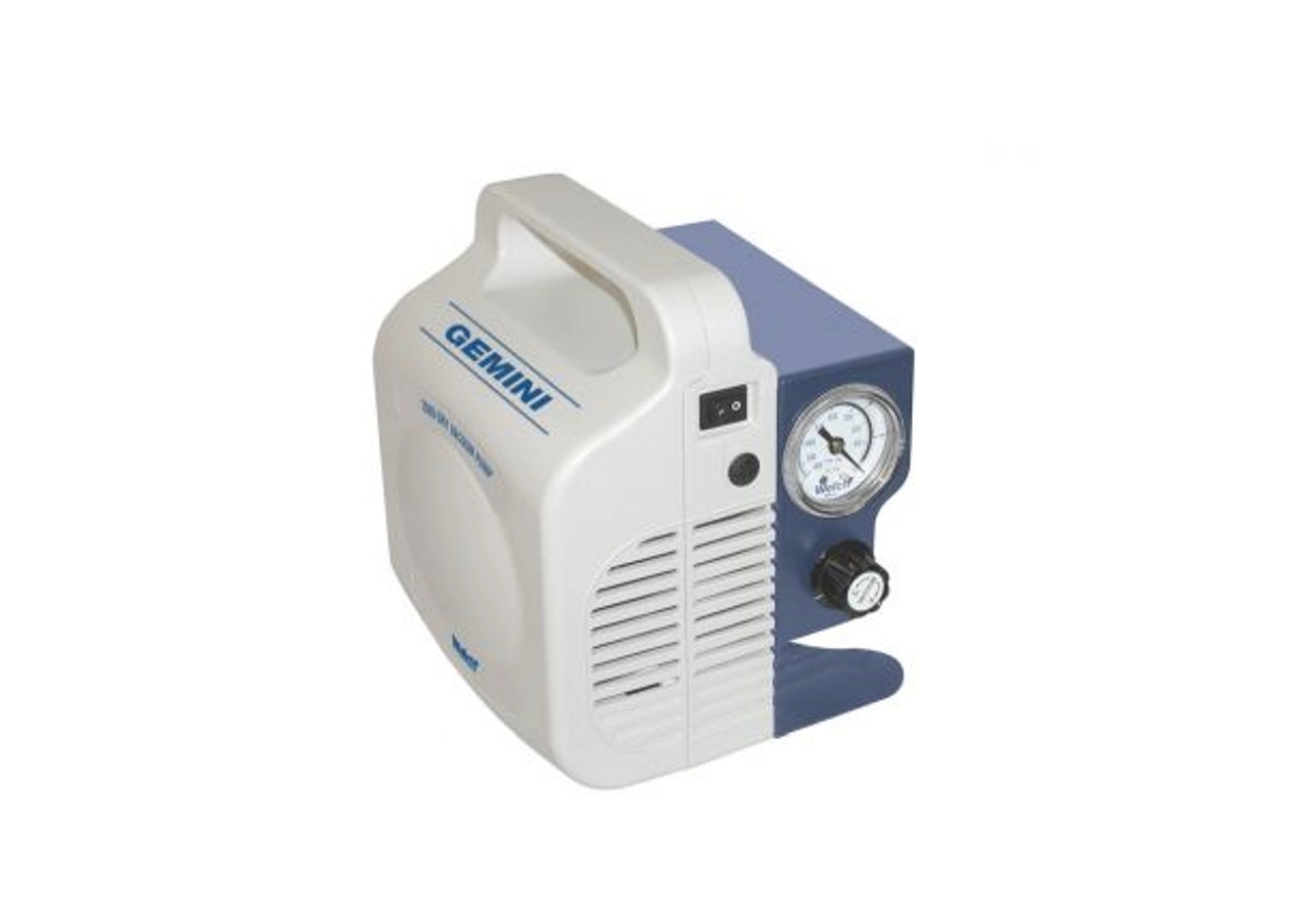
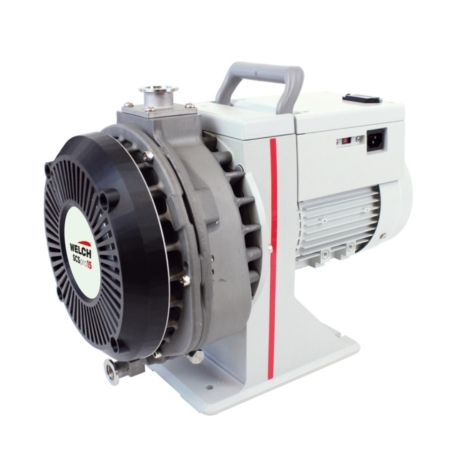
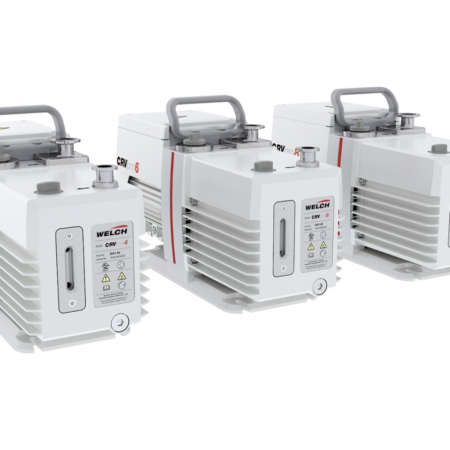
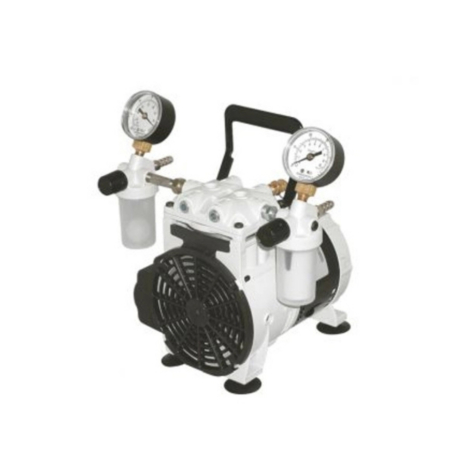
Diaphragm Vacuum Pumps

Welch Diaphragm Vacuum Pumps – Oil-Free Precision for Laboratories, Industry, and Healthcare

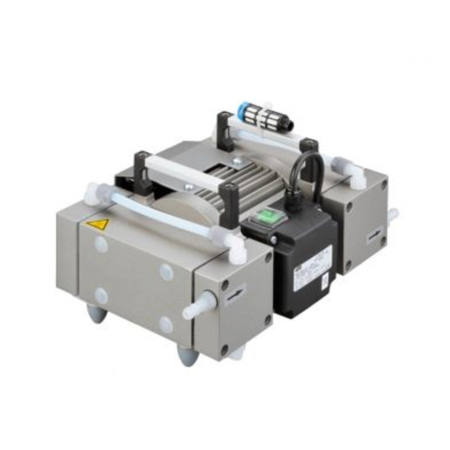
A diaphragm vacuum pump is the ideal solution for creating vacuum without the use of oil. It serves a wide range of applications across medical equipment, laboratories, and industrial processes.
Welch offers a complete range of diaphragm pumps – from standard models to specialized chemical-duty pumps and integrated laboratory vacuum systems.
Each pump is engineered to meet the demanding standards of modern research and production, with a focus on efficiency, reliability, and clean, low-maintenance, oil-free operation.

Experience Welch’s innovation in vacuum technology – achieving vacuum levels from 75 to 150 mbar and air flow rates up to 8.3 m³/h (4.87 CFM).


What Is a Diaphragm Vacuum Pump?

A diaphragm vacuum pump generates vacuum without oil by means of a flexible, oscillating diaphragm.
As the diaphragm moves back and forth, it rhythmically changes the chamber volume, expelling air molecules and gradually creating a stable vacuum.
This technology ensures clean, quiet, and environmentally friendly operation, eliminating the risk of oil contamination.

Welch is renowned for its advanced diaphragm pumps that combine high performance, reliability, and sustainable technology.

See all our Welch vacuum pumps.

pdf-brosjyrer-industrihuset

MPC Chemical Duty Pumps

Standard Diaphragm pumps (pump for non-corrosive media)

Gemini pumps

Univac

Pumps with control

Send melding - Frode (Engelsk)

Contact us

Frode Rangset

Frode Rangset

We would like to hear from you if you have any questions or inquiries about our services and products!

Send melding - Frode (Engelsk)

Contact us

Frode Rangset

We would like to hear from you if you have any questions or inquiries about our services and products!

Frode Rangset

Product Specifications

What is a diaphragm vacuum pump?

A diaphragm vacuum pump creates vacuum without oil using a flexible diaphragm that oscillates rhythmically. As the diaphragm moves, the volume in the pump chamber changes, which expels air molecules and gradually creates a stable vacuum. This technology provides clean, quiet and environmentally friendly operation — without the risk of oil contamination of samples or processes.

Welch offers diaphragm pumps in single-, dual-, four- and eight-head configurations, in single- or multi-stage design, with or without vacuum control.

Typical areas of use include:

  • Rotary evaporation (rotavapor)
  • Vacuum ovens and drying processes
  • Filtration and solid phase extraction (SPE)
  • Degassing of liquids
  • Distillation and concentration
  • Gel drying in biotechnology
  • Gas sampling and vacuum measurement
  • Sterile liquid handling in medical devices
  • Desiccation (drying in desiccator)
  • Schlenk lines and chemical synthesis

Advantages

Welch diaphragm vacuum pumps offer a number of advantages compared to oil-based vacuum pumps and competing diaphragm pumps.

Completely oil-free operation
The diaphragm pumps operate without oil, which eliminates the risk of oil contamination of samples and processes. Particularly critical in industries where product purity is essential, such as pharmaceuticals, biotechnology and the food industry.

Low cost of ownership
The absence of oil significantly reduces maintenance requirements — no oil changes, no oil mist filters and fewer service intervals. The result is lower operating costs and higher uptime.

Chemical resistance (MPC series)
PTFE diaphragms and carbon fibre reinforced heads make the MPC series resistant to aggressive solvents and acid vapours. The electrical conductivity of the carbon fibre material prevents electrostatic charging and fire risk.

Quiet operation
Noise level of 45–55 dB(A) — comparable to a quiet conversation — makes the pumps well suited for open laboratories and office environments.

Wide model range
From compact single-head models (MP065E, 0.7 m³/h) to large industrial Univac systems (up to 45 m³/h) — Welch has a diaphragm pump for every application and capacity.

Precise vacuum control (controlled models)
BTpro, MXPC and LVS models are equipped with vacuum control that allows you to adjust pump speed precisely. Operating costs can be reduced by up to 80% compared to uncontrolled models.

Compact and portable
Low weight and small footprint make most models easy to move between different applications and workstations.

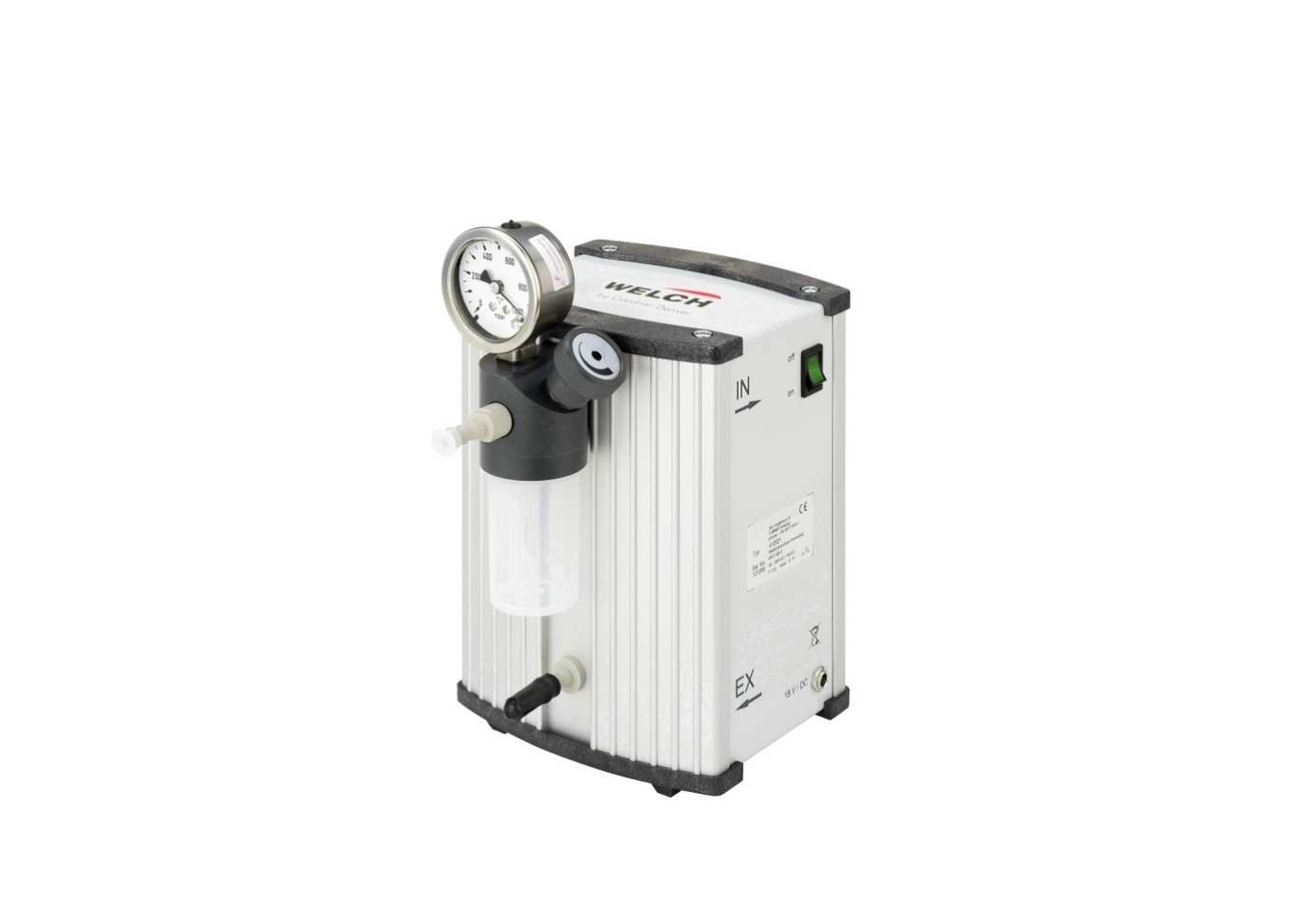
Functions

  • Oil-free operation — no oil contamination of samples or processes
  • PTFE diaphragms in MPC series — resistant to aggressive chemicals and acid vapours
  • Carbon fibre reinforced heads (MPC) — electrically conductive, prevents electrostatic charging
  • Integrated motor protection — protects against overload
  • Vibration-damping feet — reduces noise and vibration transfer to bench
  • Gas ballast valve (selected models) — prevents condensation of vapours inside the pump
  • Vacuum control (BTpro, MXPC, LVS) — precise and reproducible process control
  • Separator/liquid trap (selected models) — protects the pump against condensates
  • Compact design — easy to move and adapt to different setups
  • Supplied complete with hose connections, vibration feet and power cable

Documentation

Individual datasheets are available for all models via the product page. Download datasheets directly by clicking on the desired model.

Key technical data — overview:

  • Ultimate pressure: 1.5–266 mbar (depending on model)
  • Max. pumping speed: 0.028–45 m³/h
  • Noise level: 45–55 dB(A)
  • Operation: Completely oil-free
  • Voltage: 115/230V, 50/60Hz

Who are Welch diaphragm vacuum pumps suited for?

Welch diaphragm vacuum pumps are suited for laboratories and businesses that need clean, oil-free vacuum power without the requirement for high vacuum. They are particularly well suited for:

  • Chemical and pharmaceutical laboratories handling aggressive solvents and acids (MPC series)
  • Biotechnology laboratories with gel drying, cell culture and sample preparation
  • Food analysis laboratories where product contamination is unacceptable
  • Medical and clinical laboratories with sterile liquid handling
  • Laboratories with rotary evaporators, vacuum ovens or desiccators
  • Field work and mobile setups where portability is essential (Gemini series)
  • Industrial production environments with high capacity (Univac series)
  • Laboratories that want precise vacuum control and reduced operating costs (MXPC/LVS/BTpro)

Note: For applications requiring deep high vacuum (below 1 mbar) or very high capacity, Welch CRVpro two-stage rotary vane pumps are recommended.

About the Manufacturer – Welch

Welch is part of Gardner Denver Thomas GmbH and is one of the world’s leading suppliers of vacuum pumps and systems for laboratories and industry. The company has extensive experience in the development of pump technology and serves customers globally in research, pharmaceuticals, chemistry and industry.

EMEA headquarters: Am Vogelherd 20, 98693 Ilmenau, Germany Global headquarters: Livry-Gargan-Str. 10, 82256 Fürstenfeldbruck, Germany Website: www.welchvacuum.com Certifications: CE and cUL

At Industrihuset you will find a selection of Welch vacuum pumps adapted to various laboratory purposes.

FAQ

Frequently Asked Questions

The MPC series (M = Membrane, P = Pump, C = Chemical) is specifically designed for handling aggressive chemicals, solvents and acid vapours. The PTFE diaphragms and carbon fibre reinforced pump heads make it chemically resistant and safe for use with corrosive media. The MP series (standard diaphragm pumps) is designed for non-corrosive media and is the right choice for standard laboratory applications such as filtration, rotary evaporation and vacuum ovens where aggressive chemicals are not involved.

Choose a diaphragm pump when oil-free operation is essential — for example in pharmaceutical production, food analysis or biotechnology where oil contamination is unacceptable. Diaphragm pumps are also preferred for applications requiring continuous operation above 30 Torr (40 mbar), such as filtration, aspiration and rotary evaporation. Choose a rotary vane pump (CRVpro) when you need deeper vacuum levels (below 1 mbar) or higher pumping speeds for applications such as freeze-drying, Schlenk lines or fore-pumping of turbomolecular pumps.

The number of heads refers to how many pump heads are connected in parallel — more heads give higher pumping speed (flow rate). The number of stages refers to how many compression stages are connected in series — more stages give lower ultimate pressure (deeper vacuum). For example, MPC603T has 6 heads (high flow) and 3 stages (deep vacuum), while MP065E has a single head and single stage (low flow, moderate vacuum).

Yes. Diaphragm pumps are one of the most common vacuum sources for rotary evaporators. The MPC series is particularly well suited as it handles solvent vapours without oil contamination. For precise control of evaporation rate, the MXPC 303Z or LVS 201T with integrated vacuum controller are recommended — they can reduce operating costs by up to 80% compared to uncontrolled models by automatically adjusting pump speed to maintain the set vacuum level.

Diaphragm pumps require significantly less maintenance than oil-based vacuum pumps. There are no oil changes, no oil mist filters and no oil disposal. The main maintenance item is periodic replacement of the diaphragm and valve plates, typically every 5,000–15,000 operating hours depending on the application and media handled. The MPC series may require more frequent diaphragm replacement when used with highly aggressive chemicals.

Yes. Industrihuset offers service and application guidance for Welch vacuum pumps in Norway. Contact Frode Rangset at frode@labhuset.no or +47 948 26 016 for advice on which model best suits your specific application and capacity requirements.