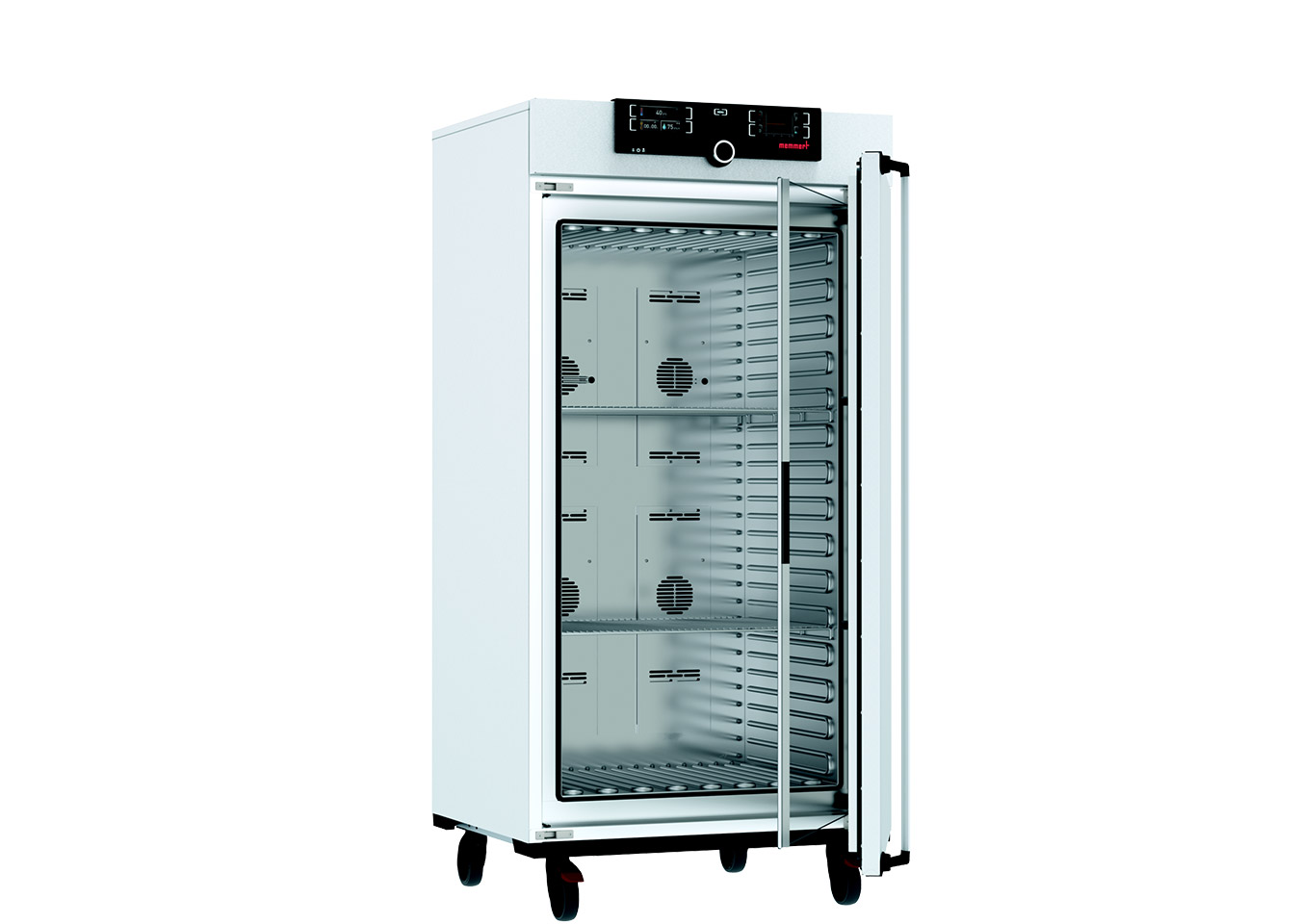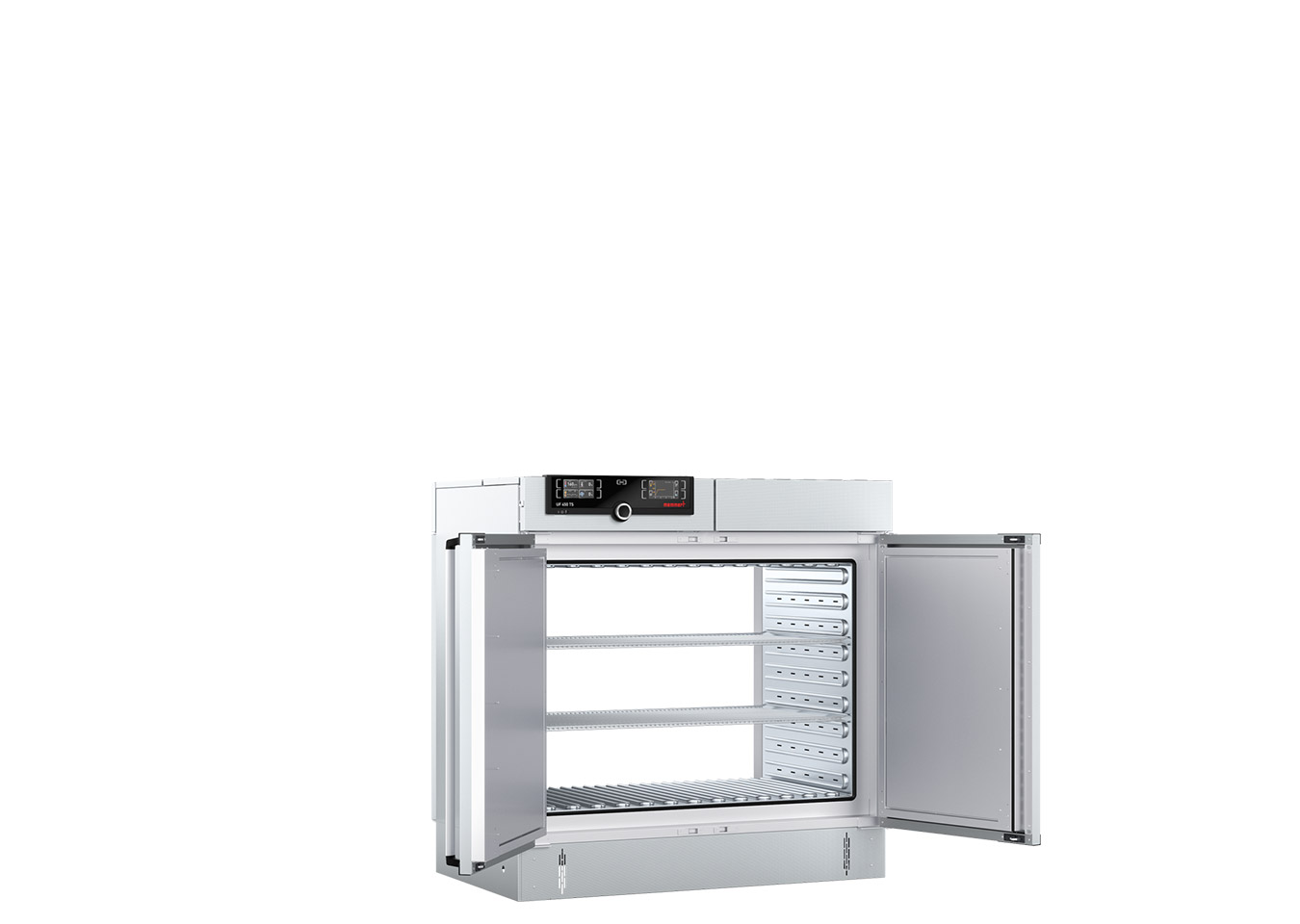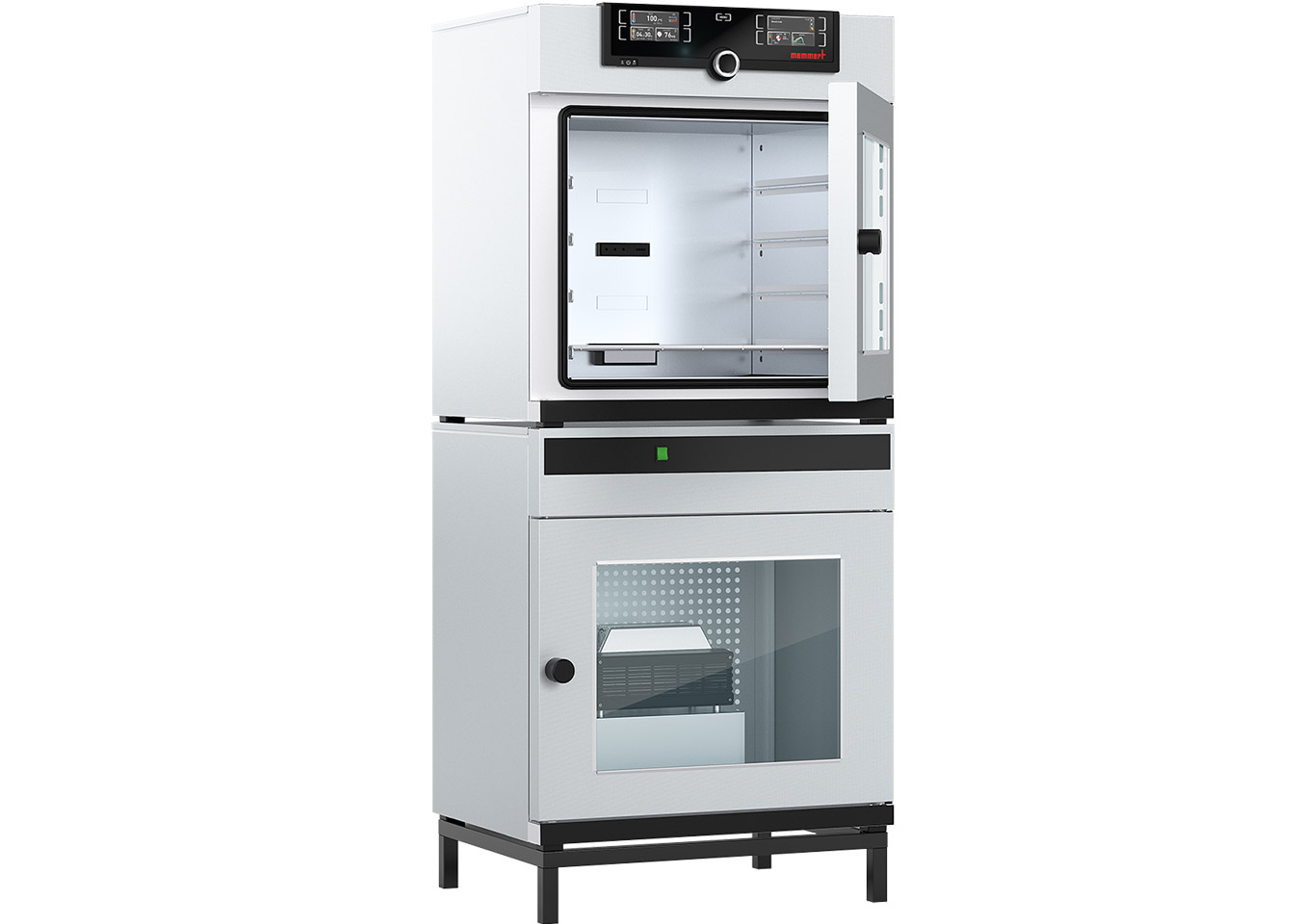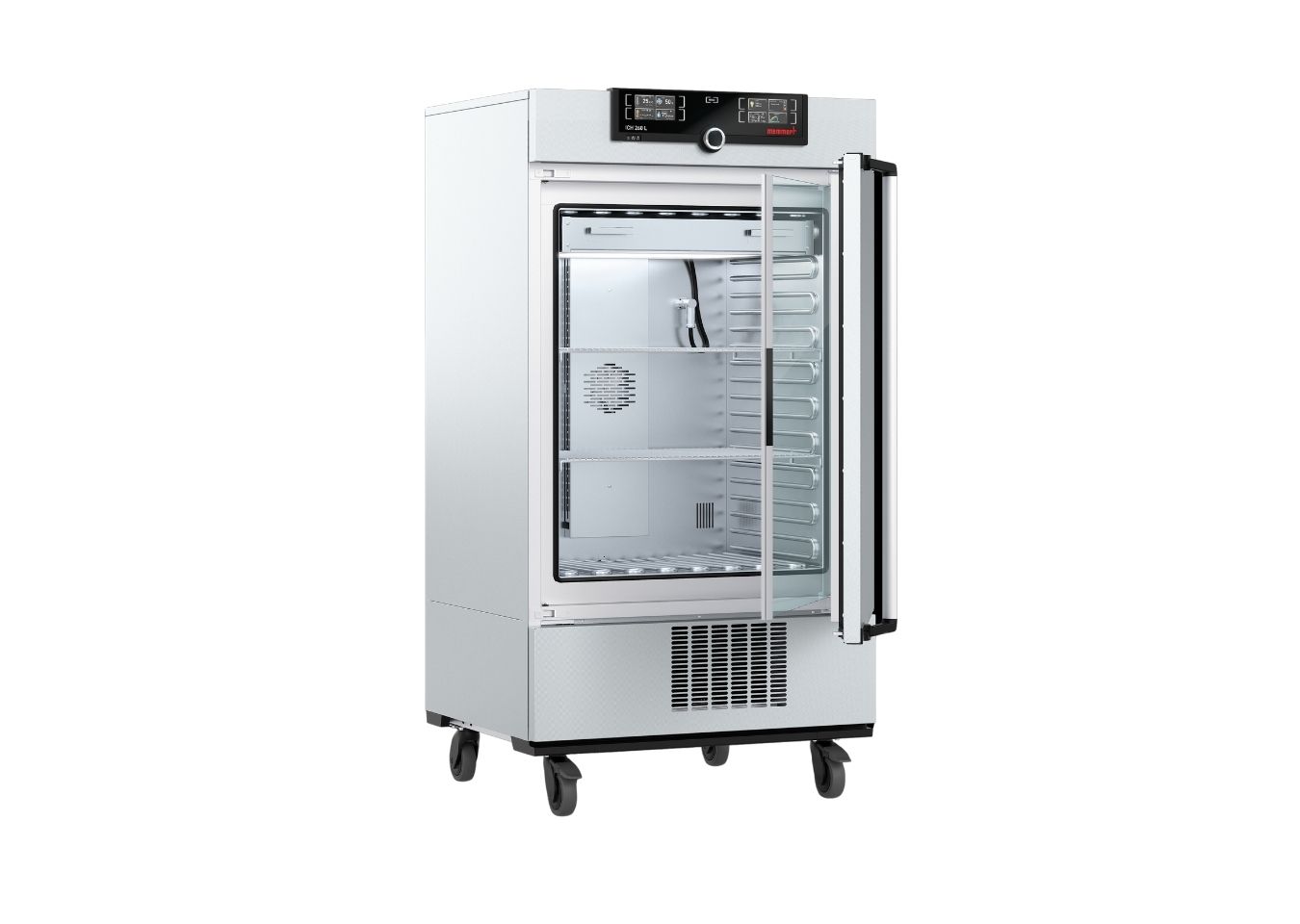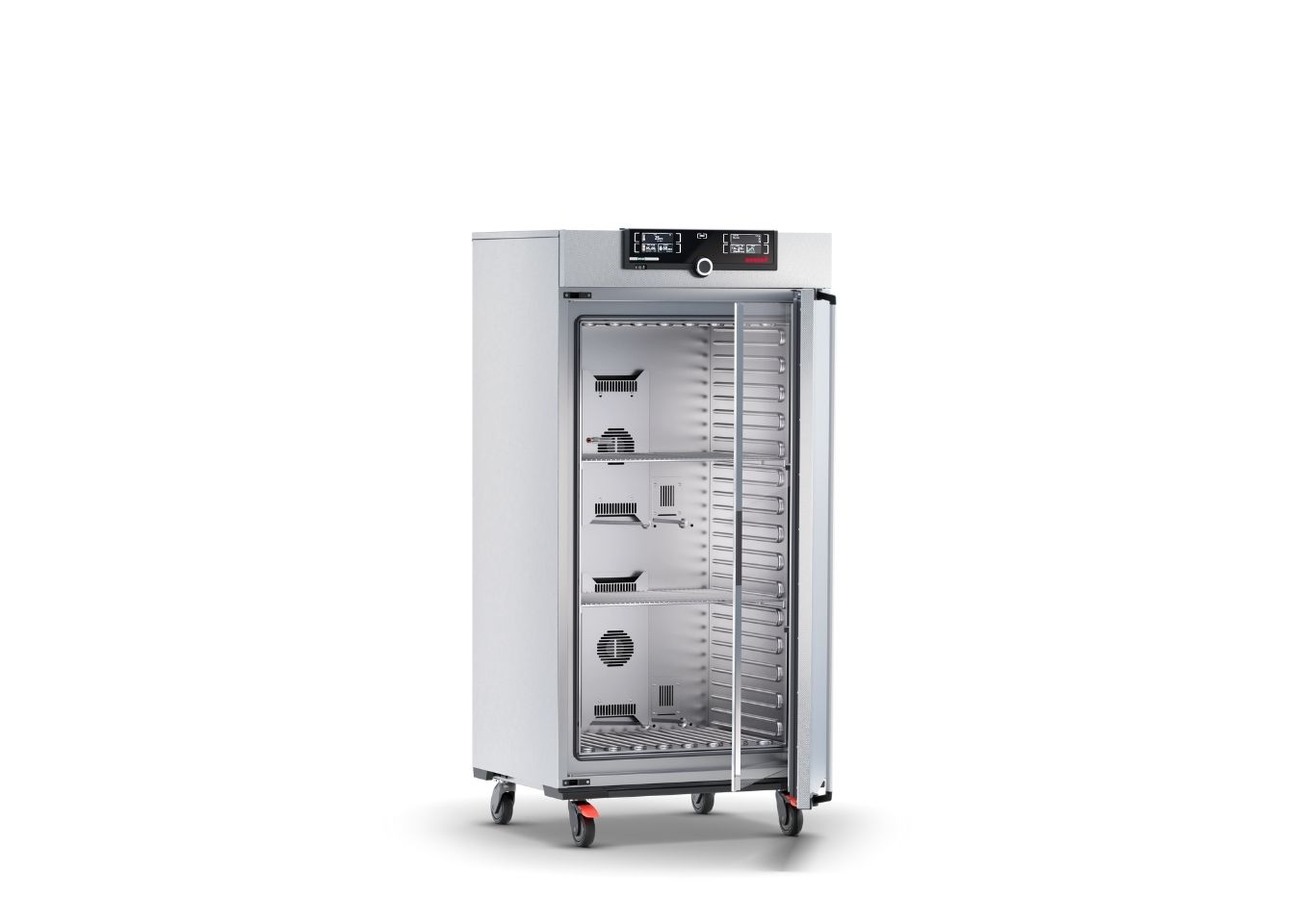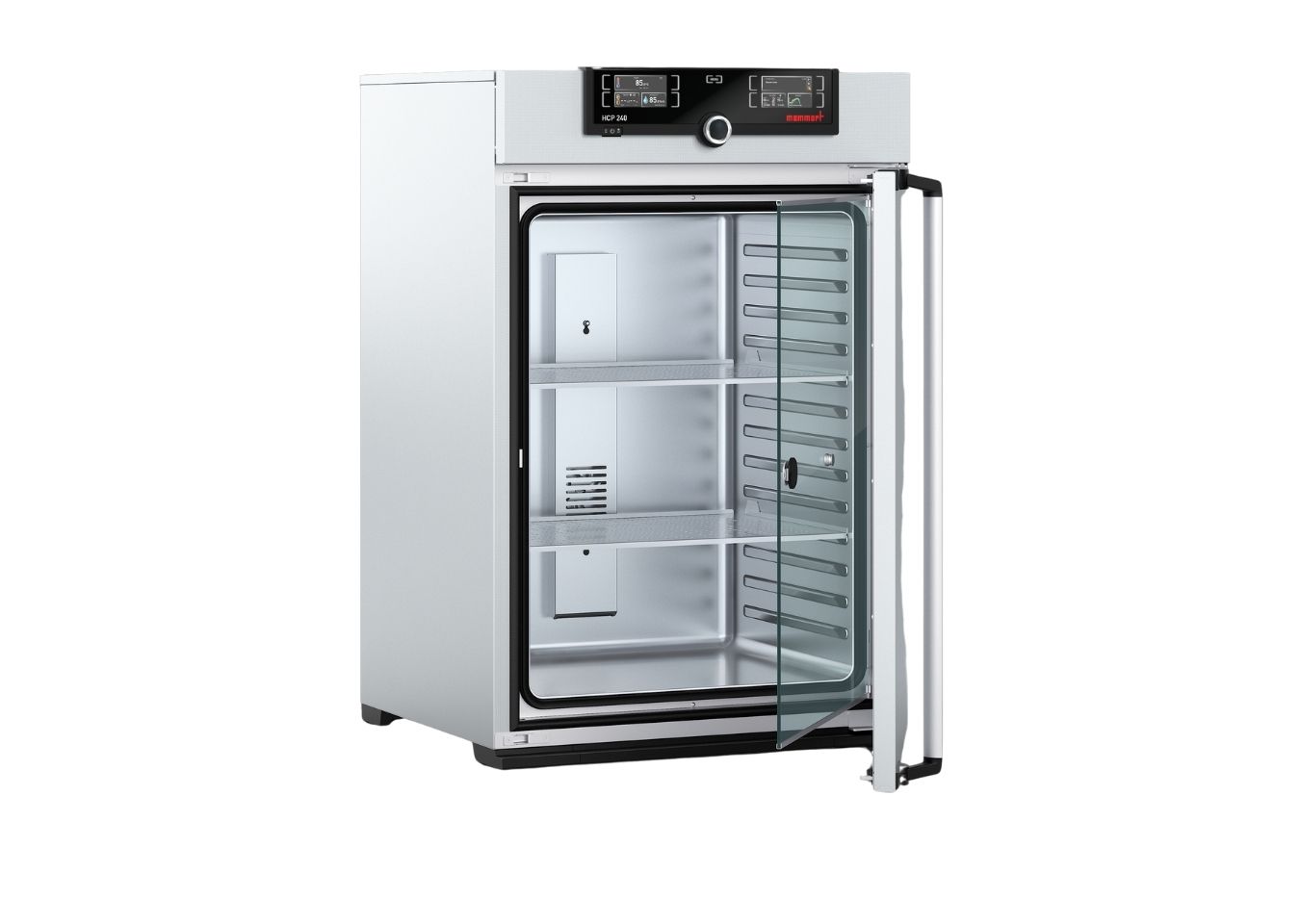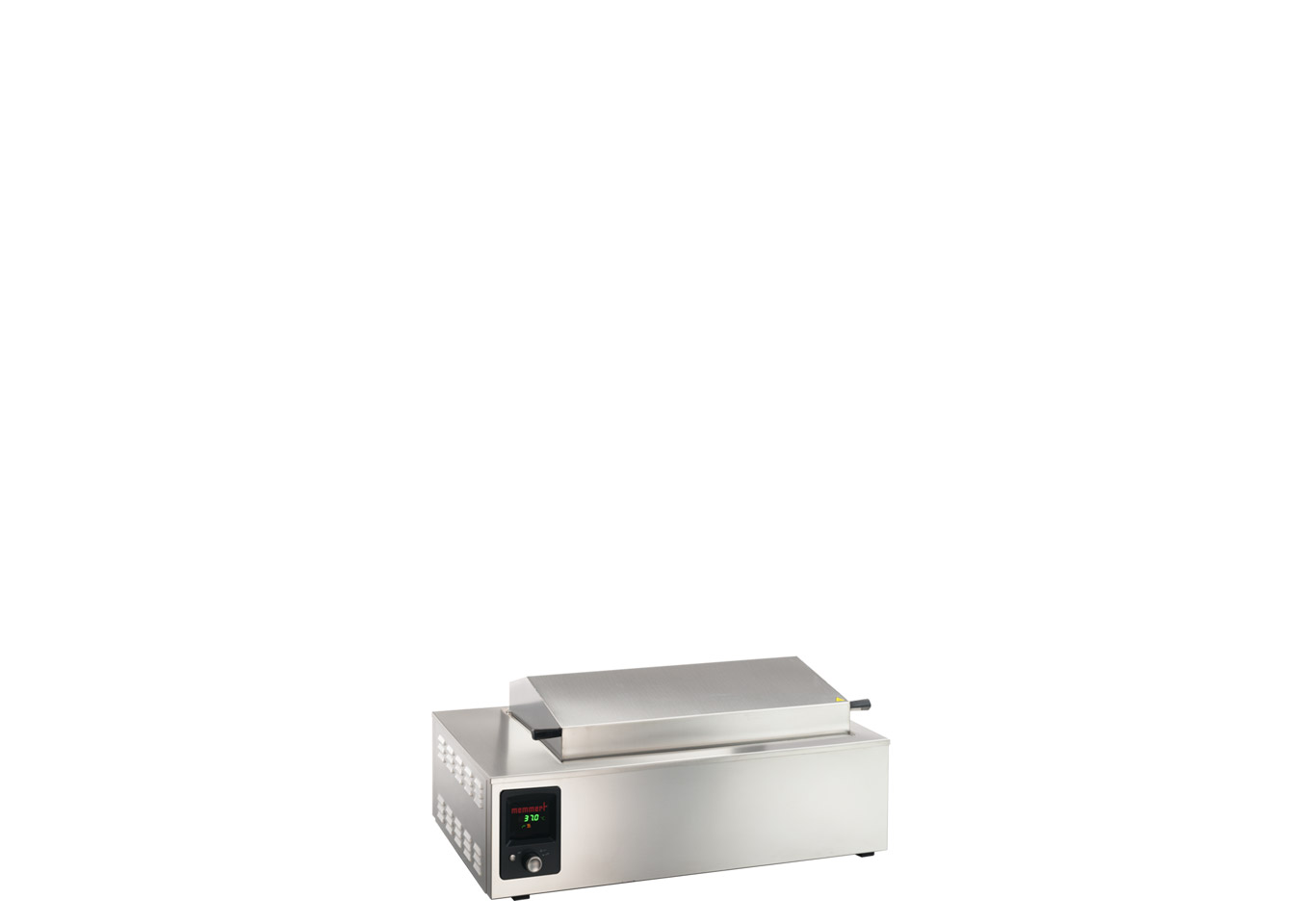

Memmert – Your Partner in heating Cabinets/Ovens/Incubators/Climate cabinets

Heating Cabinet/Oven/Incubator/Climate cabinets

Memmert is a leader in the development of heaters, universal ovens, incubators and climate cabinets. Our advanced solutions are used in a variety of industries, as well as quality testing. We ensure optimal precision by carefully controlling all parameters, so that the atmosphere in our cabinets is perfectly regulated.

Advantages of Memmert:

Widespread Use within Norwegian Industry: Memmert’s ovens are already placed around several industrial laboratories in Norway, and our reliable technology supports their quality system.

  • Cutting-Edge Technology: Choose Memmert to benefit from cutting-edge technology that meets the highest standards in accuracy and reliability.
  • Explore our selection of Memmert products and lift your research projects to new heights. Choose Memmert for reliable and accurate instruments that deliver results.

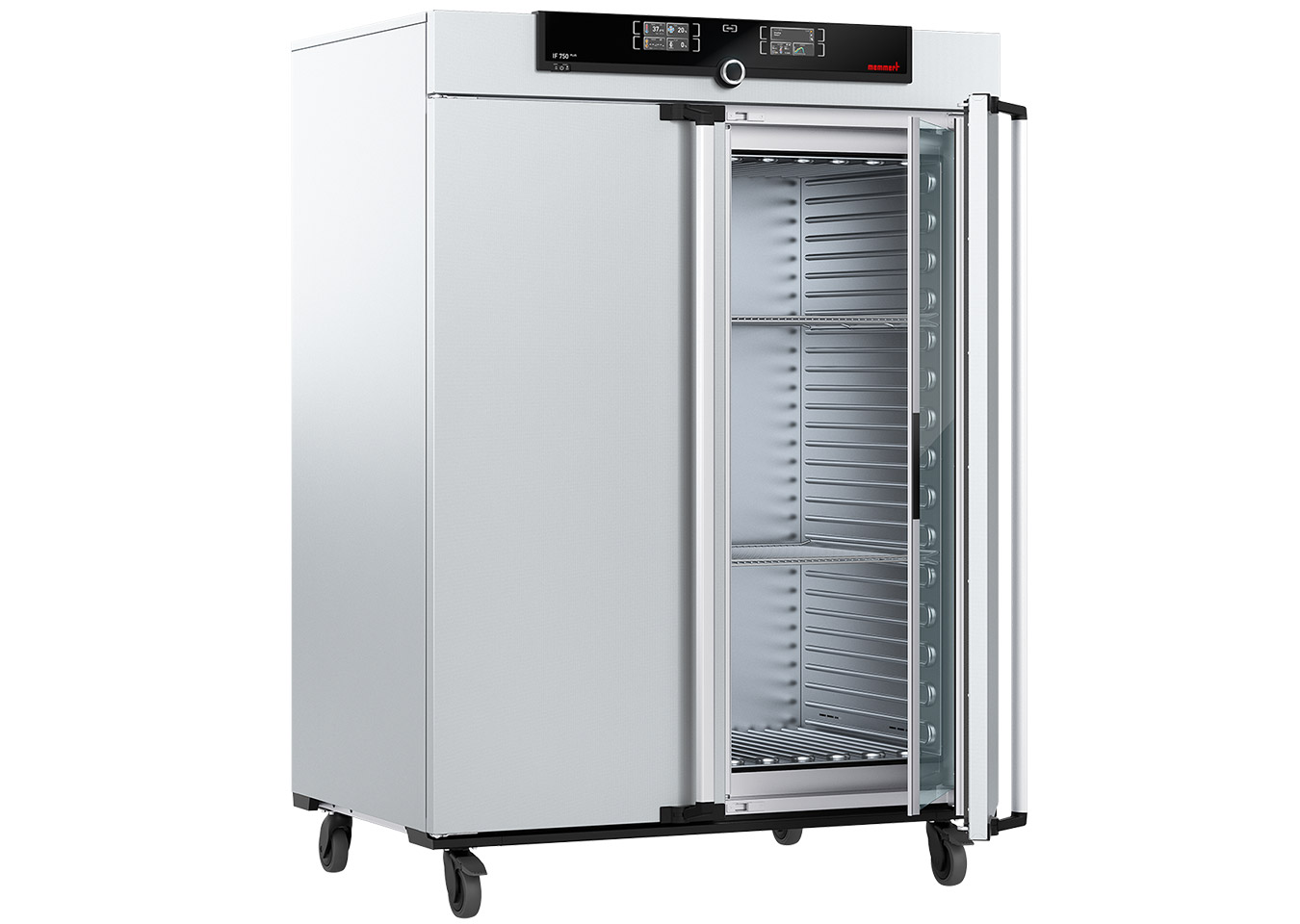
Memmert – Your Partner in heating Cabinets/Ovens/Incubators/Climate cabinets

Heating Cabinet/Oven/Incubator/Climate cabinets

Memmert is a leader in the development of heaters, universal ovens, incubators and climate cabinets. Our advanced solutions are used in a variety of industries, as well as quality testing. We ensure optimal precision by carefully controlling all parameters, so that the atmosphere in our cabinets is perfectly regulated.

Advantages of Memmert:

Widespread Use within Norwegian Industry: Memmert’s ovens are already placed around several industrial laboratories in Norway, and our reliable technology supports their quality system.

  • Cutting-Edge Technology: Choose Memmert to benefit from cutting-edge technology that meets the highest standards in accuracy and reliability.
  • Explore our selection of Memmert products and lift your research projects to new heights. Choose Memmert for reliable and accurate instruments that deliver results.
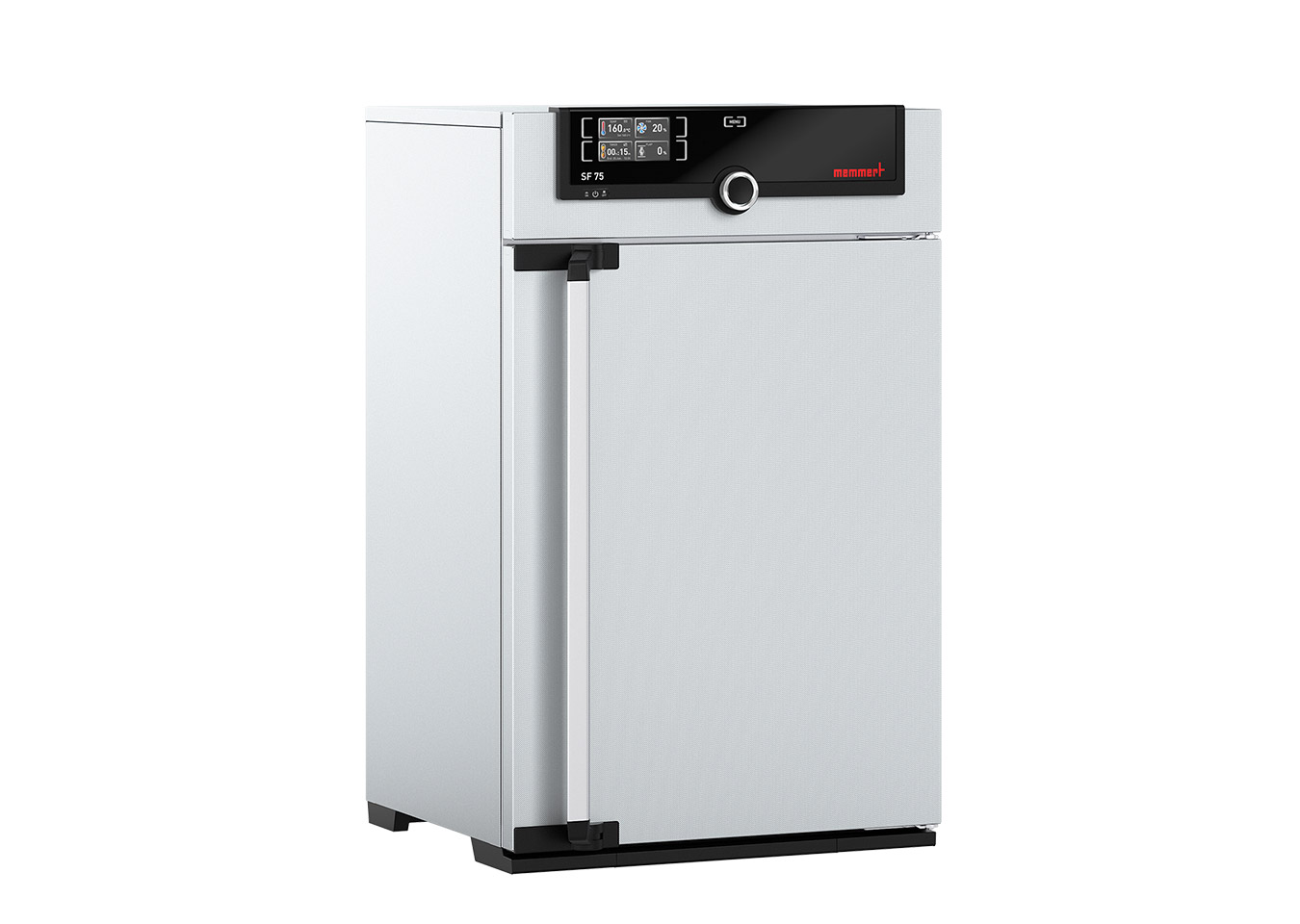
Heating cabinet/incubator

Memmert

FAQ

Heating ovens are used in industry for controlled heating, drying, curing, and thermal treatment of materials and components. They are widely applied in manufacturing, electronics, materials testing, and technical processes where stable and uniform temperature is essential for quality and repeatability.

A heating oven primarily controls temperature, while a climate chamber regulates both temperature and humidity. Climate chambers are used when materials, components, or products must be tested or stored under defined environmental conditions to simulate real-world climate exposure.

Heating ovens are used in electronics manufacturing, plastics and composites production, mechanical engineering, automotive industries, energy technology, and materials science. They are essential wherever thermal processing forms part of production or quality control.

Climate chambers are used for environmental simulation, stability testing, and storage under controlled temperature and humidity conditions. This is important when evaluating the durability of materials, packaging, electronic components, and products affected by environmental influences.

By providing uniform and precise temperature control over time, heating ovens enable controlled testing, drying, and thermal processing of components. This reduces production variability and helps ensure consistent and reliable results.

Heating ovens can be used for treating metal components, plastic parts, composites, electronic assemblies, coated components, and other materials requiring drying or thermal conditioning within defined temperature ranges.

Important factors include temperature range, chamber size, airflow distribution, heating performance, energy efficiency, and documentation capabilities. In industrial environments, reliability and integration into existing workflows are also key considerations.

Climate chambers allow manufacturers to simulate environmental conditions such as heat, cold, and humidity over time. This is used to evaluate how materials and products respond to climatic stress, supporting product development and lifetime assessment.

Many modern units are designed with energy-efficient heating elements, effective insulation, and precise control systems that minimize energy consumption. This is especially important in industrial settings where equipment often operates for extended periods.

By providing stable and controlled conditions for thermal treatment and environmental testing, these units contribute to improved product quality, more reliable test results, and more efficient production processes with reduced waste and fewer defects.