Oransje Autoklaver ikon

Top quality autoclaves from

Astell

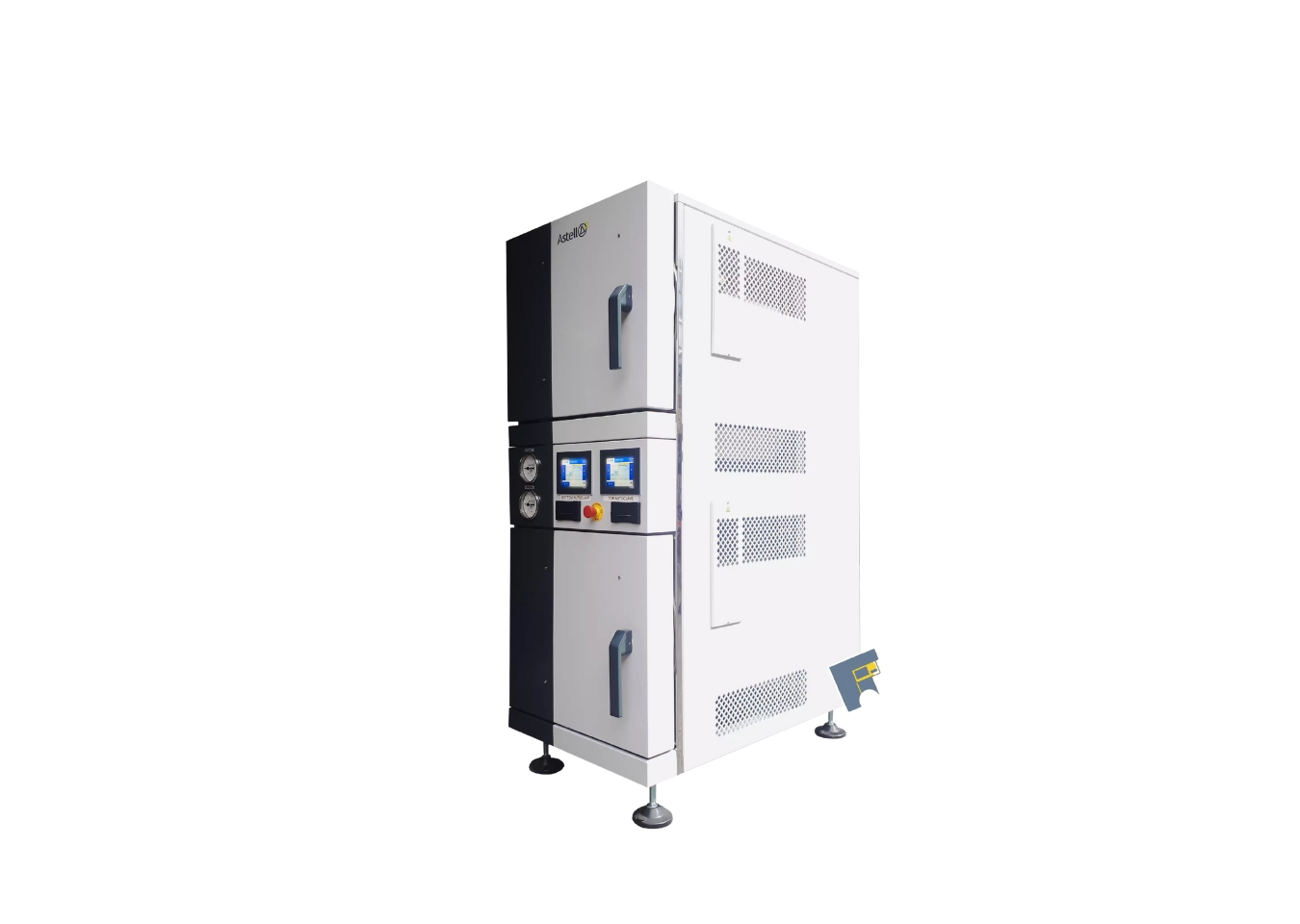
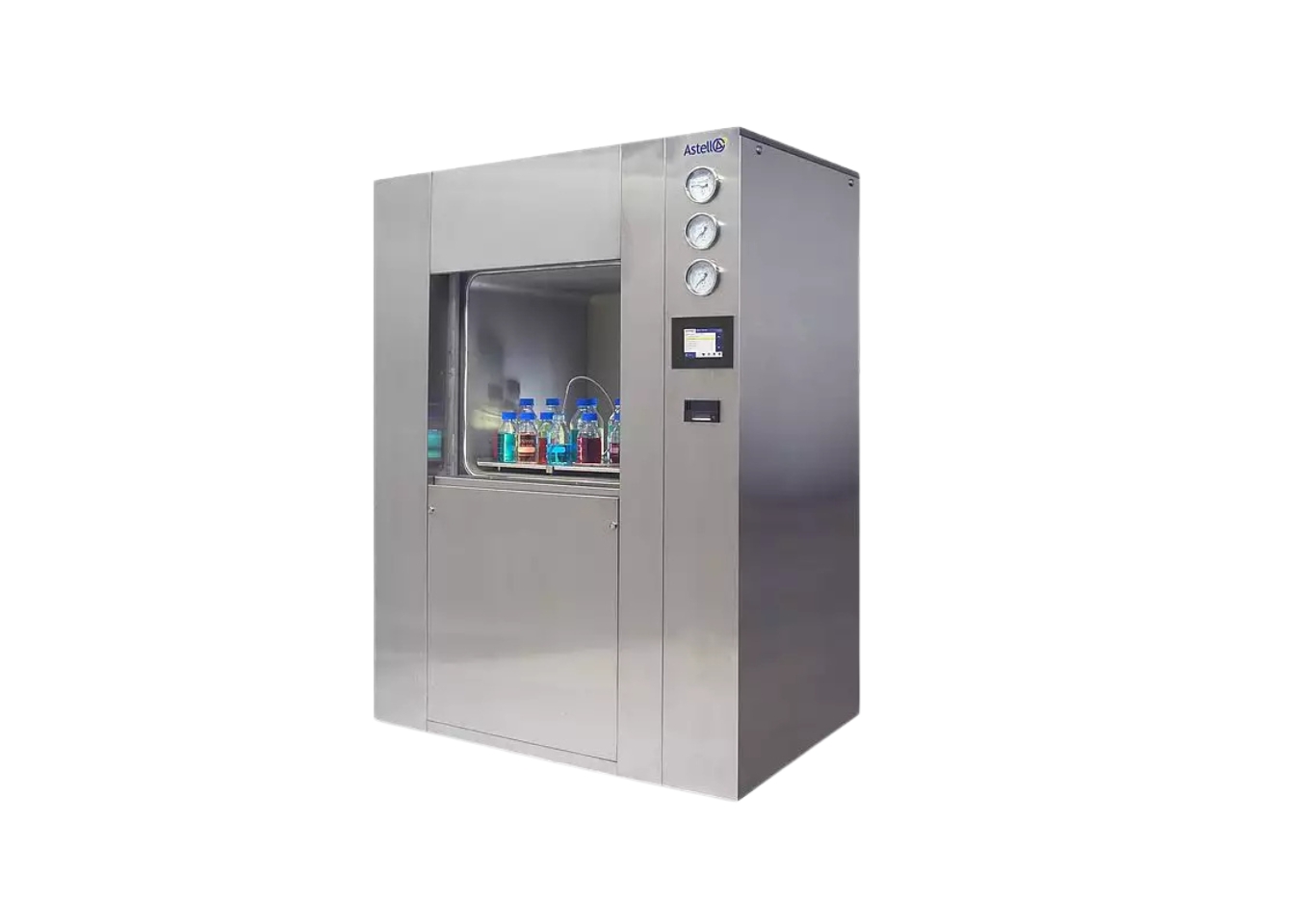
Astell Scientific, based in the UK, is one of the world’s leading manufacturers of autoclaves and sterilization technology. With over 130 years of experience, Astell has developed a wide range of innovative and reliable solutions for laboratories, hospitals, the pharmaceutical industry and research institutions around the world.

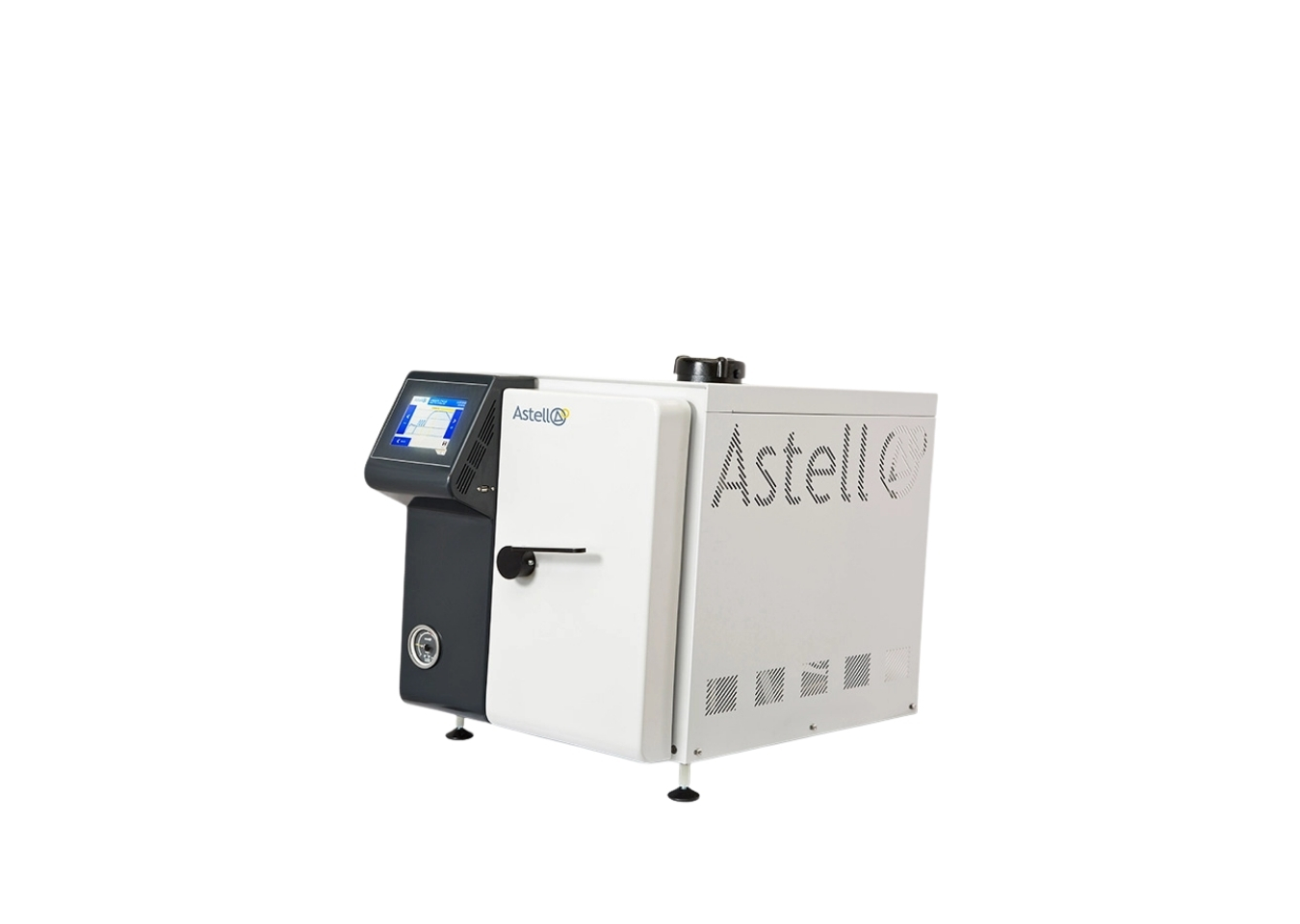
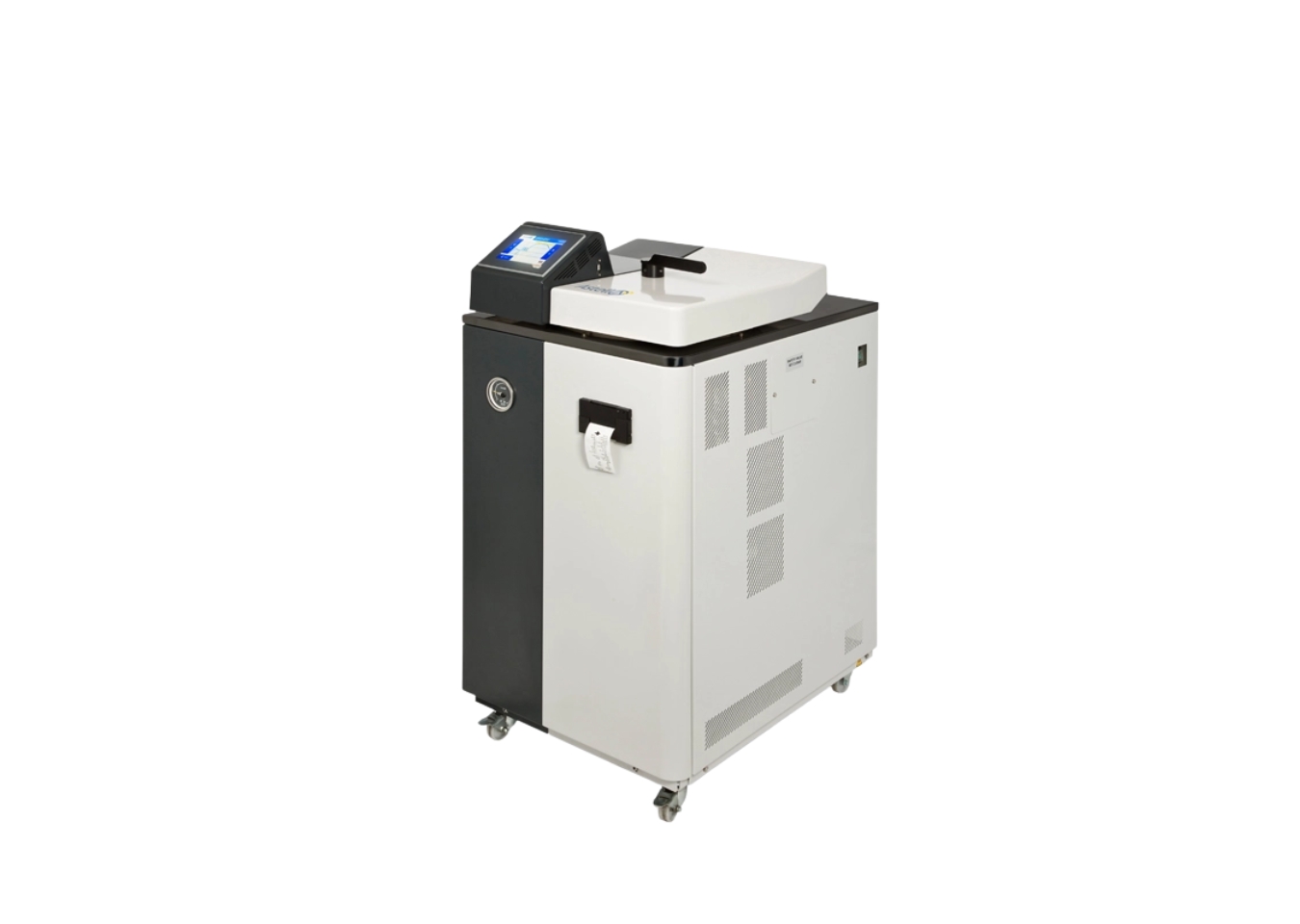
Known for their high quality, precision and user-friendly design, Astell autoclaves meet all international sterilization standards. With advanced technology and flexible configurations, they adapt to different needs, whether for sterilization processes for liquids, instruments or waste management.

  • State-of-the-art control systems for precise temperature and pressure control
  • Models in all sizes – from compact bench models to large floor standing units
  • Energy-efficient and environmentally friendly solutions
  • Full compliance with EU and global sterilization standards

Astell autoclaves represent reliability and performance for those who demand the highest standards of sterilization. Choose Astell – uncompromising quality for your laboratory!
Autoclaves from

Astell

FAQ

In industrial environments, an autoclave is used for sterilization, thermal processing, and pressure-based treatment where controlled temperature and saturated steam under pressure are required. Typical applications include production processes, material testing, waste treatment, and quality control, where consistent and repeatable cycles are critical.

Astell autoclaves are widely used in sectors such as food production, pharmaceutical manufacturing, biotechnology, waste management, materials testing, and technical research. They are particularly well suited for applications requiring safe, controlled, and fully documented steam sterilization or thermal processing.

Astell autoclaves use advanced control systems to precisely regulate temperature, pressure, and cycle duration. This ensures consistent performance from cycle to cycle, which is essential in industrial settings where process validation, quality assurance, and traceability are required.

Yes, autoclaves are frequently used for the safe decontamination of biological or process-related waste before disposal or further handling. This supports safer waste management procedures and is often an important part of health, safety, and environmental (HSE) protocols in industrial facilities.

Key factors include chamber size, load type, required temperature and pressure ranges, documentation needs, and expected frequency of use. In industrial environments, build quality, serviceability, and the ability to integrate with existing systems are also important considerations.

Industrial autoclaves are designed for heavier workloads, larger capacities, and more demanding operating conditions than standard laboratory units. They are commonly used in production facilities, technical departments, and pilot plants where durability, advanced process control, and cycle documentation are essential.

Yes, many Astell autoclaves can be configured for integration into industrial workflows. This may include custom cycle programming, data logging, connectivity to external monitoring systems, and process-specific adaptations to meet production or validation requirements.

Industrial autoclaves can be used to treat a variety of materials that are compatible with steam and pressure, including metal components, glassware, textiles, biological waste, and certain production materials. The appropriate cycle parameters depend on the material type and the intended process outcome.

Many Astell autoclaves are available with integrated data logging, printout options, or digital cycle recording. This allows full documentation of temperature, pressure, and cycle time, which is essential for quality management systems, audits, regulatory compliance, and internal process control.

Astell autoclaves are known for their robust construction and reliable performance, making them well suited for environments with frequent or intensive use. This makes them a strong choice for industrial applications where operational stability and long service life are essential.